Someone
from somewhere
Purchased Wicca Magazine
just now

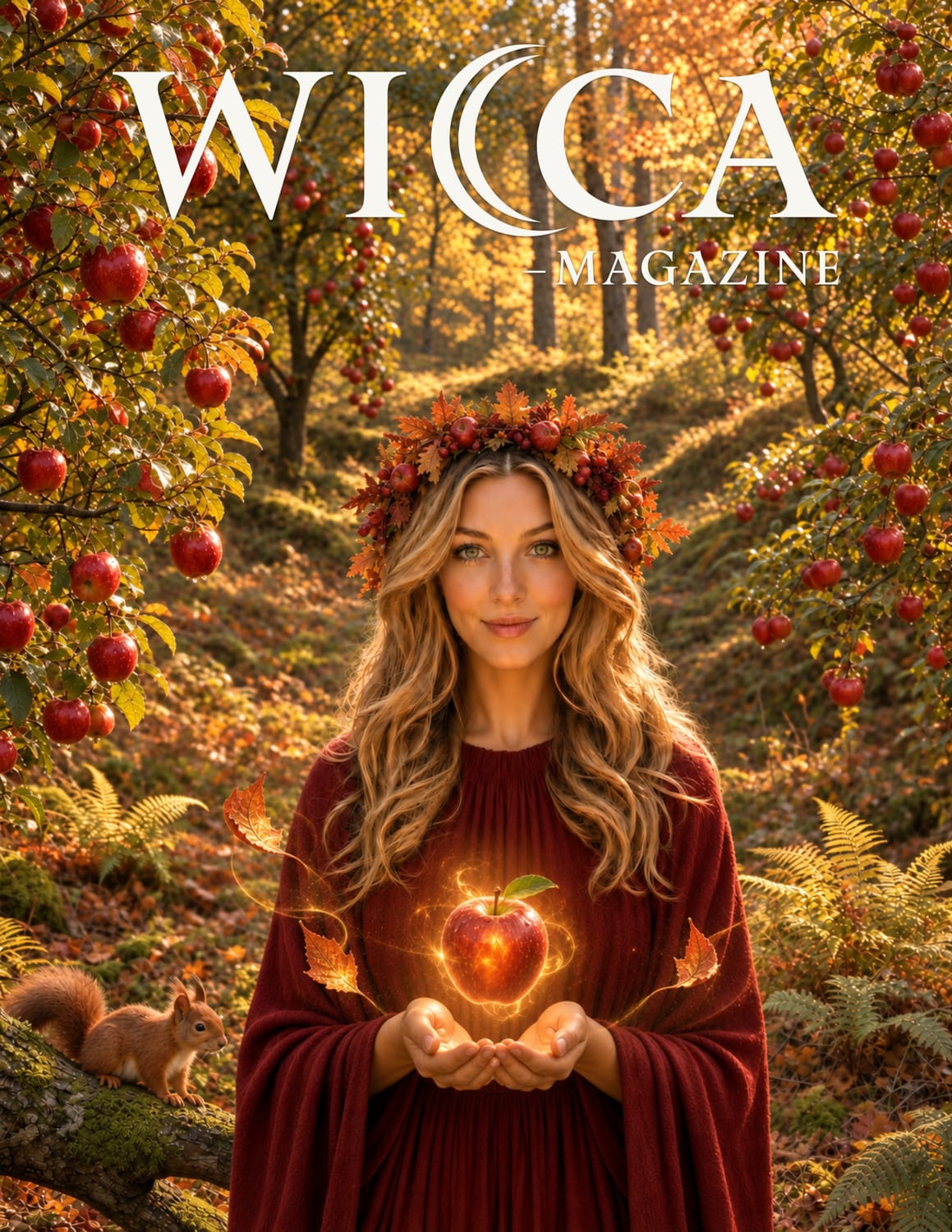
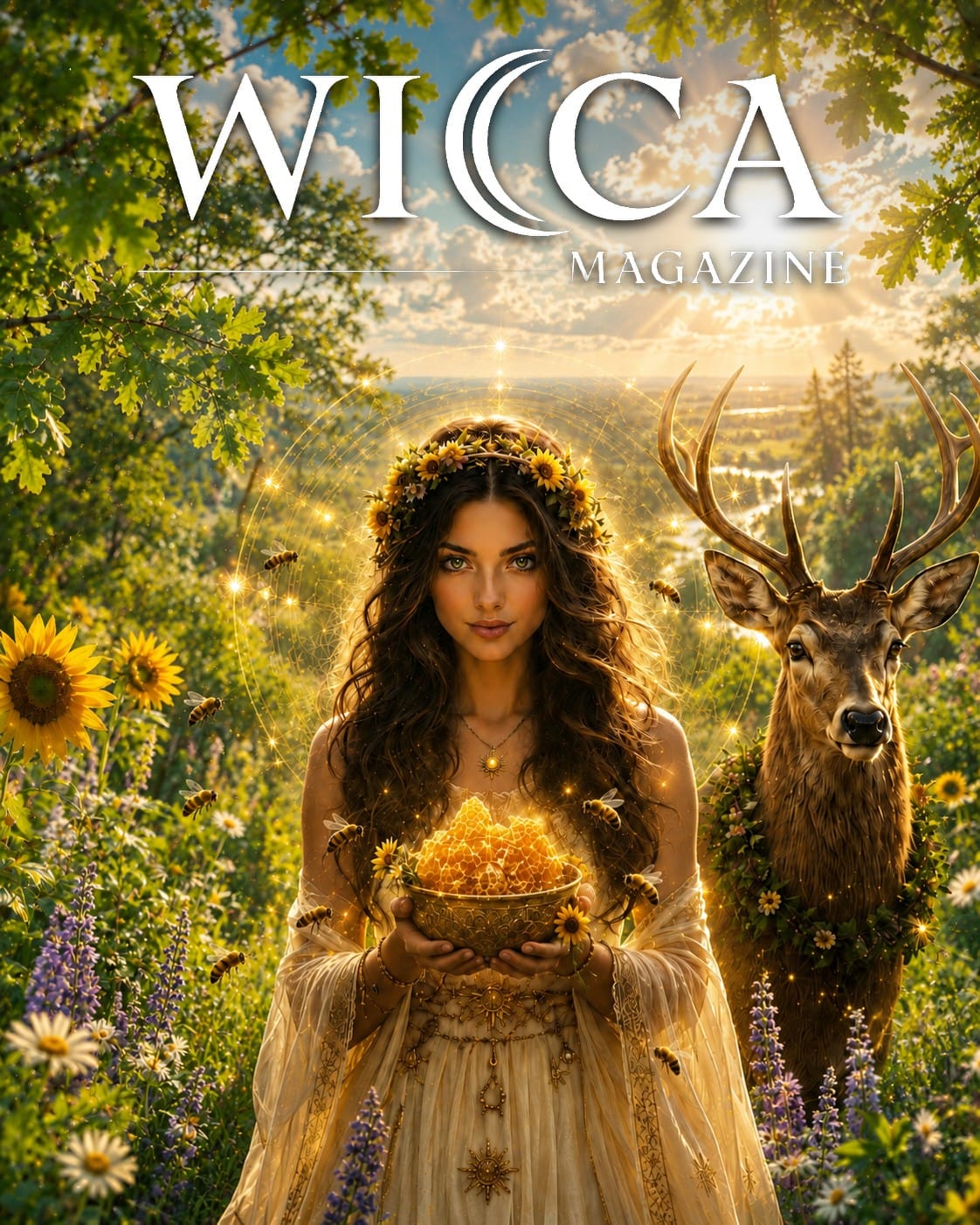
Unlock the Magick of Mabon! - Your Wicca Magazine Issue Awaits
Step into the season of light with Wicca Magazine. Each digital issue is a sacred offering of spells, rituals, and Wiccan wisdom — honoring ancient paths and empowering your modern magick. Your craft, your journey, your magickal sanctuary.
In our increasingly interconnected world, the dialogue between different religious paths has never been more critical. Among these diverse spiritual traditions, Wicca—a modern, nature-based pagan religion—holds a unique place. Emerging prominently in the mid-20th century through the efforts of figures like Gerald Gardner, Wicca has since woven its way into the rich tapestry of global spiritual practices. This article aims to explore the intricate relationship between Wicca and other religious paths, shedding light on how it interacts with, influences, and is perceived by the broader religious community.
Wicca is characterized by its reverence for nature, belief in a dual deity (the God and Goddess), and practice of magic. Its ethical underpinning, often encapsulated by the Wiccan Rede—"An it harm none, do what ye will"—promotes a philosophy of freedom and responsibility. Despite its relatively recent origins, Wicca draws on ancient pagan practices, symbolisms, and myths, reinterpreting them for the modern age.
The Historical Context of Wiccan Interfaith Relations
Early Misunderstandings and Persecutions
The historical context of witchcraft is marred by misconceptions and persecutions, which have significantly colored the public's perception of Wicca and similar paths. The Witch Trials, for instance, have left a deep imprint on collective memory, shaping how early Wiccans navigated their relationship with mainstream religions, particularly Christianity. These events underscored the tensions between pagan practices and established religious doctrines, often leading to fear, skepticism, and outright hostility.
The Emergence of Wicca and Public Perception
Wicca's development in the 20th century, spearheaded by notable figures like Gerald Gardner and Doreen Valiente, marked a pivotal moment in the reimagining of pagan traditions. The initial public and religious reactions to Wicca were mixed, ranging from curiosity to fear and skepticism. This period was crucial for setting the stage for Wicca's interactions with other religious paths, as it sought to establish itself as a legitimate and distinct spiritual practice.
Wicca's Interactions with Major World Religions
Christianity
The relationship between Wicca and Christianity is complex, marked by theological differences and a history of persecution. However, there have been notable efforts towards interfaith outreach and dialogue, aiming to bridge the gap and address mutual misconceptions. Despite these efforts, challenges remain, highlighting the need for continued engagement and understanding.
Judaism and Islam
Wicca's interactions with Judaism and Islam reveal interesting parallels and divergences, particularly concerning monotheism and ethical living. While theological beliefs and practices differ, there have been instances of interfaith engagement that underscore a shared emphasis on ethical conduct and spiritual reflection.
Eastern Religions: Buddhism and Hinduism
Comparing Wiccan beliefs with Eastern philosophies reveals a mutual focus on cycles, karma, and reincarnation. There is a respect for these traditions' depth and historical richness, which has influenced the incorporation of Eastern practices into Western spirituality, including Wicca.
Indigenous and Pagan Paths
Wicca shares a deep kinship with indigenous and pagan traditions worldwide, with a common respect for nature, ancestral veneration, and the revival of ancient practices. This connection fosters a sense of solidarity and mutual understanding among diverse spiritual paths.
Challenges and Opportunities in Interfaith Dialogue
Misconceptions and Stereotypes
Misconceptions about Wicca, such as associations with satanism and black magic, continue to hinder interfaith relations. Efforts by Wiccan leaders and organizations to educate and clarify these misunderstandings are crucial for fostering a more inclusive understanding.
The Role of Interfaith Organizations
Wiccan participation in interfaith organizations and events, like the Parliament of the World's Religions, highlights the opportunities for dialogue and collaboration. These platforms provide a venue for addressing misconceptions and advocating for mutual respect and understanding.
The Impact of Media and Popular Culture
The portrayal of Wicca in media and popular culture serves as a double-edged sword, offering visibility but often perpetuating stereotypes. Navigating these portrayals is essential for improving interfaith relations and public perception.
The Future of Wiccan Interfaith Relations
Growing Acceptance and Legal Recognition
The increasing legal recognition and societal acceptance of Wicca as a legitimate religion have opened new doors for interfaith dialogue and cooperation. This progress is a testament to the ongoing efforts to promote understanding and tolerance.
Education and Advocacy
Education remains a critical tool for improving interfaith relations. Initiatives aimed at educating both the Wiccan community and the wider public are vital for overcoming prejudices and fostering a culture of mutual respect.
The Potential for Collaborative Action
The alignment of values, particularly in areas like environmental activism, presents a unique opportunity for collaborative action between Wicca and other religious traditions. This potential for shared efforts underscores the importance of interfaith dialogue and cooperation.
Challenges Ahead
Despite the progress, challenges remain, including entrenched prejudices and differing doctrinal beliefs. Addressing these challenges requires a commitment to mutual respect and understanding, paving the way for a more inclusive and compassionate global spiritual community.
Conclusion
The journey of Wicca from the fringes to a recognized voice within the interfaith dialogue exemplifies the evolving nature of religious interaction in the modern world. Overcoming historical stigmas and navigating complex theological differences have not been easy, but the potential for Wicca to contribute to and benefit from interfaith relations is immense. As Wicca continues to grow and gain acceptance, its interactions with other religious paths will undoubtedly evolve, driven by a shared desire for mutual understanding and respect. This evolving dialogue promises a richer, more inclusive global spiritual community, where the diverse tapestry of world religions, including Wicca, can enrich each other in profound ways.
Exploring the mystical path of Wicca with every turn of the page. Join us in celebrating the wheel of the year.
Support@WiccaMagazine.com
Newsletter
Unlock the Secrets of the Craft: Subscribe now to receive exclusive content, seasonal rituals, and magickal insights directly to your inbox.
© 2025 Wicca Magazine - All rights reserved.


Unlock the Secrets of the Craft:
Subscribe now to receive exclusive content, seasonal rituals, and magickal insights directly to your inbox.
© 2025 Wicca Magazine - All rights reserved.