Someone
from somewhere
Purchased Wicca Magazine
just now

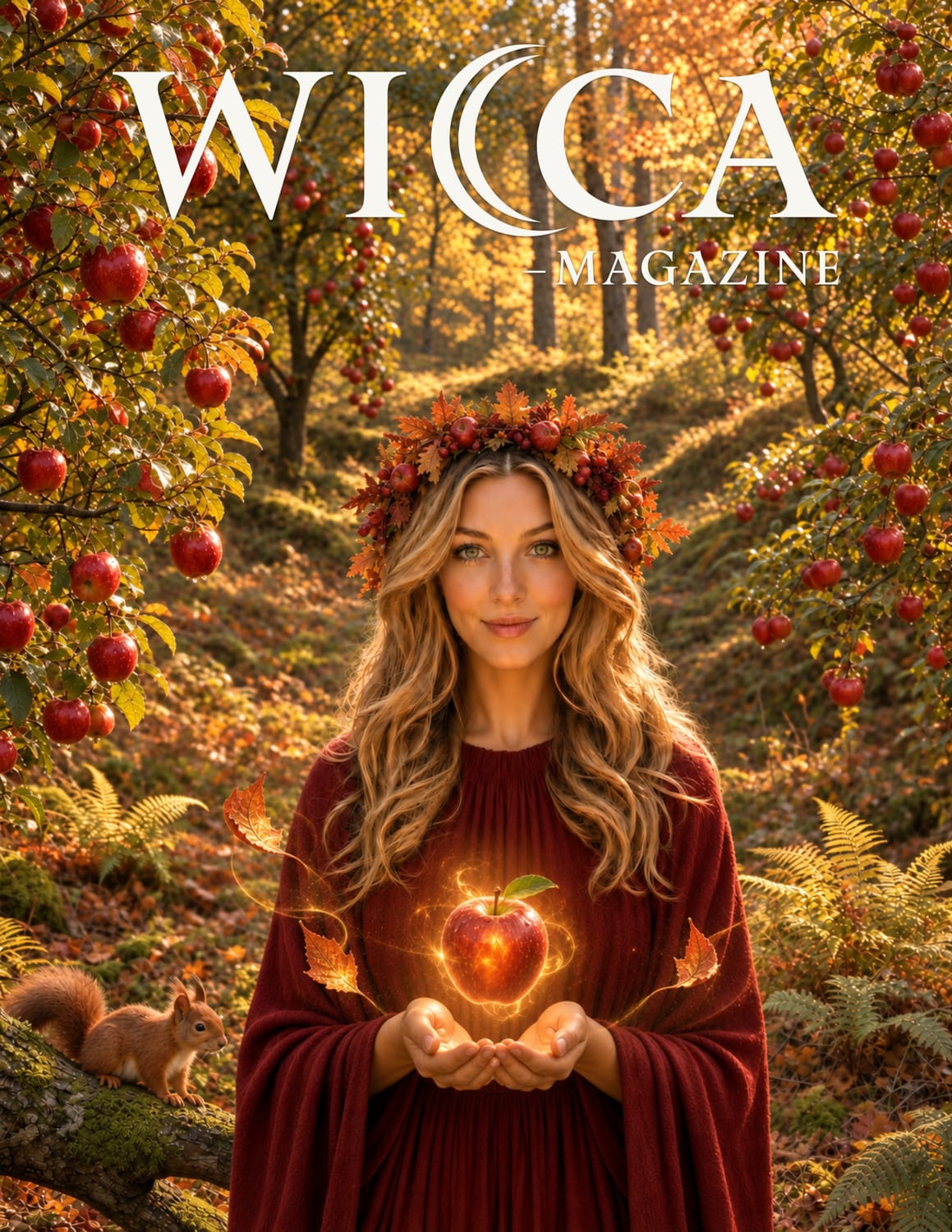
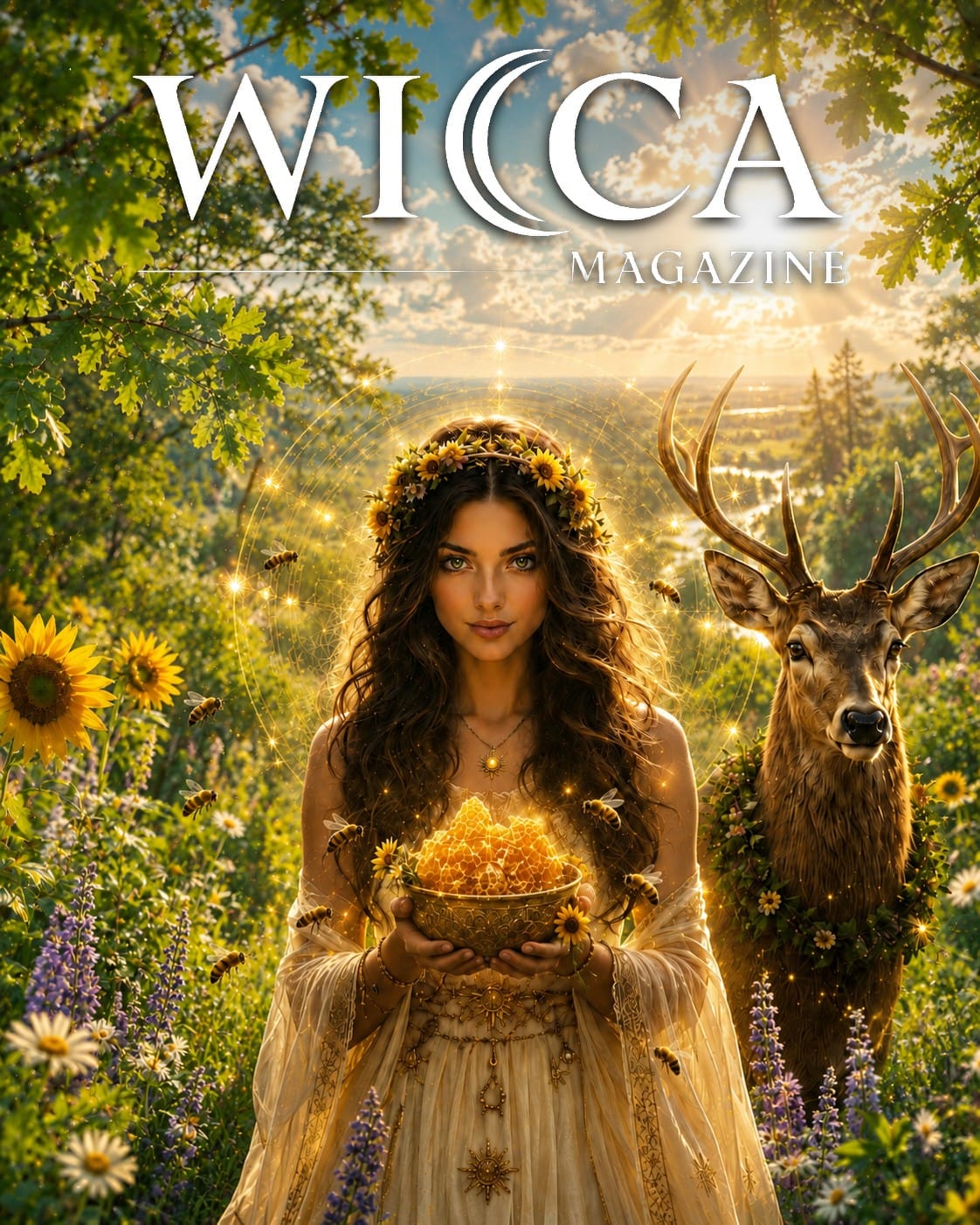
Unlock the Magick of Mabon! - Your Wicca Magazine Issue Awaits
Step into the season of light with Wicca Magazine. Each digital issue is a sacred offering of spells, rituals, and Wiccan wisdom — honoring ancient paths and empowering your modern magick. Your craft, your journey, your magickal sanctuary.
All plants are magical — but some even more so than others.
Magickal herbs and plants have been used in everything from poultices to spells and invocations for millennia, and only lately have modern witches begun to get reacquainted with all their properties. Beautiful and fragrant jasmine is such a plant. Its many medicinal and magical gifts were known to our Pagan ancestors since at least 1,000 BCE.
As we get ready for Ostara, let’s get to know the properties of jasmine, one of the corresponding plants of the season, a bit better.
Jasmine through the ages
A native plant in Eurasia and Oceania, its name comes from the ancient Persian word yasamin. Some sources claim that its name means “Gift of God,” “God’s Gift,” or “Your Life,” which speaks to how revered this little white flower was. From Persia, jasmine became popular in Anatolia, Greece, and Egypt about three thousand years ago. Considered a lush flower whose smell could attract love, in ancient Egypt, jasmine was traditionally grown in temple gardens, whereas in ancient Greece, it was associated with the goddess Aphrodite.
In ancient China, the scent of jasmine (whose Chinese name translates to “the flower that welcomes spring”) was prized, and its dried flowers were used in teas that were thought to have medicinal purposes. In Nepal and Afghanistan, jasmine always had a coveted place in the royal gardens. As for Europe, it arrived through the Arab-occupied Spain in the 15th century and was quickly embraced by Italy, France, and other countries, where it was used mostly in perfumery.
To this day, jasmine plays an integral part in many indigenous cultures in Asia and Oceania, signifying different aspects of femininity. It represents motherhood in Thailand; eternal life and beauty in Indonesia, where it’s also offered as part of the wedding ceremony; it’s included in garlands adorning religious images in the Philippines and welcome leis in Hawaii.
The magickal properties of jasmine
Jasmine is a nocturnal flower — during the daytime, the scent of the flowers dissipates. For that reason, it was always considered a flower of the Moon (and very difficult and expensive to harvest).
As a flower associated with the powers of the Moon, jasmine has always been linked to the subconscious. It can bring forth prophetic dreams and enhance intuition and divination practices. It’s also considered powerful in love, beauty (inner and outer), and money mixtures. In short, jasmine is a powerful attractor, thought to bring you everything you desire in life. For that reason, jasmine has traditionally been part of invoking rituals for many powerful goddesses of beauty, love, sexuality, femininity, and the Moon — from Aphrodite to Yemaya and from Selene to Nerthus, the goddess of fertility in the Old Norse pantheon.
Jasmine is also connected to motherhood and is believed to relieve childbirth pains, probably because its essential oils do indeed help with pain and anxiety. It has been scientifically proven that jasmine helps with period cramps as well as with menopause and skin conditions.
Isn’t it fascinating how our Pagan ancestors already knew, thousands of years ago, how to use plants for purposes modern science is only beginning to catch up to?
How to use jasmine in your Craft
Jasmine has many magickal properties. That is good news for you who are looking to incorporate it in your Craft: there are many different ways to do so, depending on which aspect of the plant you want to work with.
As essential jasmine oils are expensive, you may want to cultivate and extract your own, or work with the dried flowers. If you live in an area where you can do so, consider creating a Moon garden, aka a garden built around nocturnal plants like jasmine. This will help you become more attuned to the plant and its many magickal properties.
Using jasmine for happiness and confidence: You can combine dried jasmine buds and other happiness-inducing plants and herbs such as marjoram and lavender. Then, either brew them as tea or sew them in small sachets/spell pouches you can carry around with you. For confidence, in particular, you can also have a single jasmine flower in a locket or your Book of Shadows.
Using jasmine for love spells and goddess invocations: You can add petals or buds into sachets/spell pouches along with other plants and herbs that promote love, such as roses. You can also add jasmine into wreaths or garlands to wear in your hair during rituals or Wiccan Sabbats — particularly during full moons. This works best with love deities and lunar deities.
Using jasmine for meditation and purification: A less well-known but equally important use of this flower. You can add dried jasmine into your meditation tea or use its incense from burning its leaves or oil to purify crystals. This works best with crystals that have lunar associations.
Using jasmine for divination and prophetic dreams: This is perhaps the most well-known use of the plant. A very powerful enhancer of intuition, you can dab a drop of jasmine essential oil onto your third eye when attempting scrying or on your wrists and palms when working with tarot cards and other tangible divination objects. You can also brew jasmine tea to drink before and during divination rituals and use its essential oils in dream pillows. We’ll talk more about this in a while.
Jasmine and Ostara
You may be wondering how a nocturnal plant is connected to a sunny Sabbat like Ostara. The answer is simple: during Ostara, the masculine and feminine forces are still in perfect balance — but the feminine energy is winning as we’re moving towards Beltane and Litha.
It’s during Ostara that the first fertility rites are celebrated, and we’ve already explored how jasmine is connected to fertility, motherhood, and all things female. Finally, Ostara represents a new start; the ushering of spring after the winter. As such, the Sabbat is ruled by a new moon. And as you know by now, jasmine is a lunar plant...
Exploring the mystical path of Wicca with every turn of the page. Join us in celebrating the wheel of the year.
Support@WiccaMagazine.com
Newsletter
Unlock the Secrets of the Craft: Subscribe now to receive exclusive content, seasonal rituals, and magickal insights directly to your inbox.
© 2025 Wicca Magazine - All rights reserved.


Unlock the Secrets of the Craft:
Subscribe now to receive exclusive content, seasonal rituals, and magickal insights directly to your inbox.
© 2025 Wicca Magazine - All rights reserved.