Someone
from somewhere
Purchased Wicca Magazine
just now

Unlock the Magick of Mabon! - Your Wicca Magazine Issue Awaits
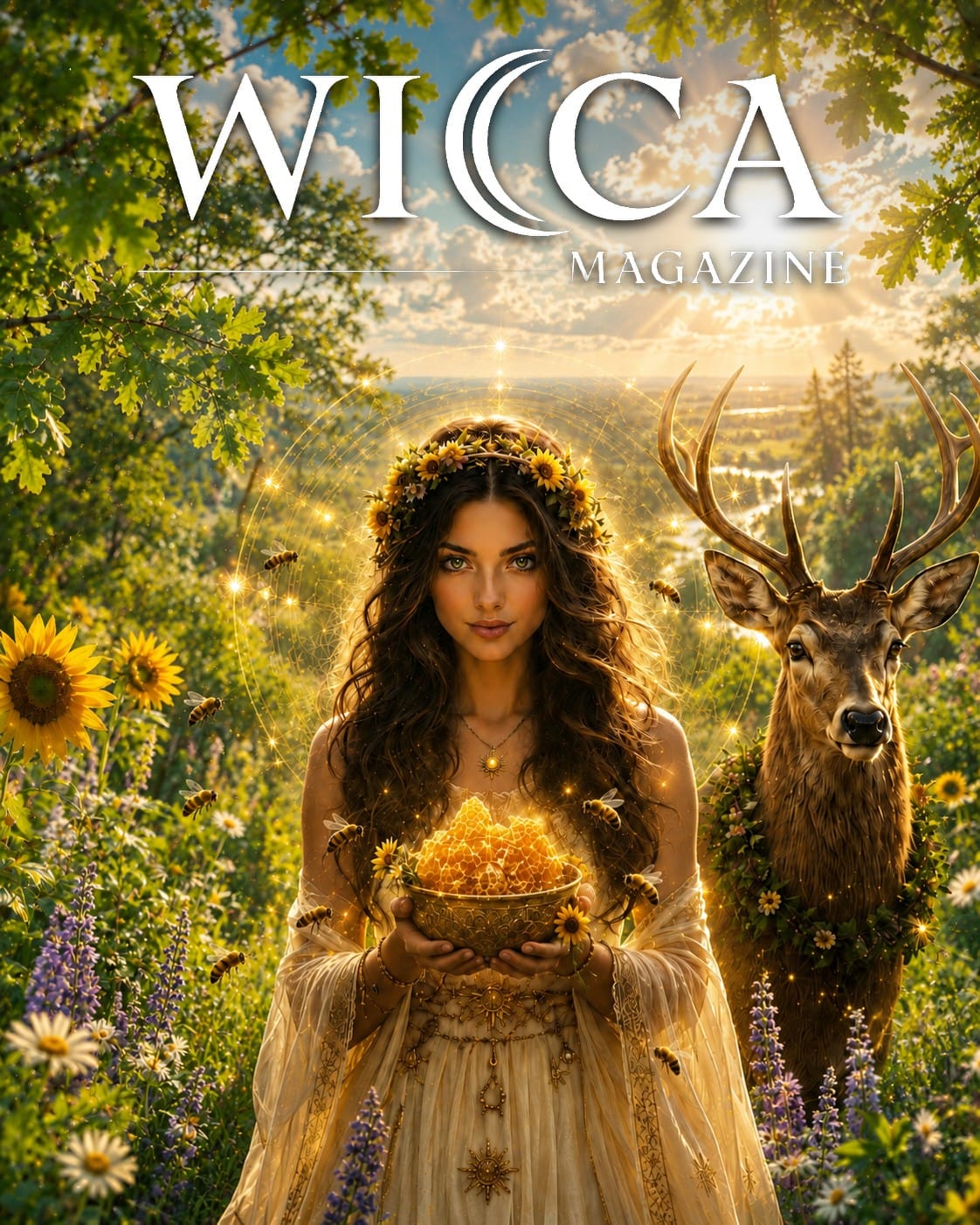
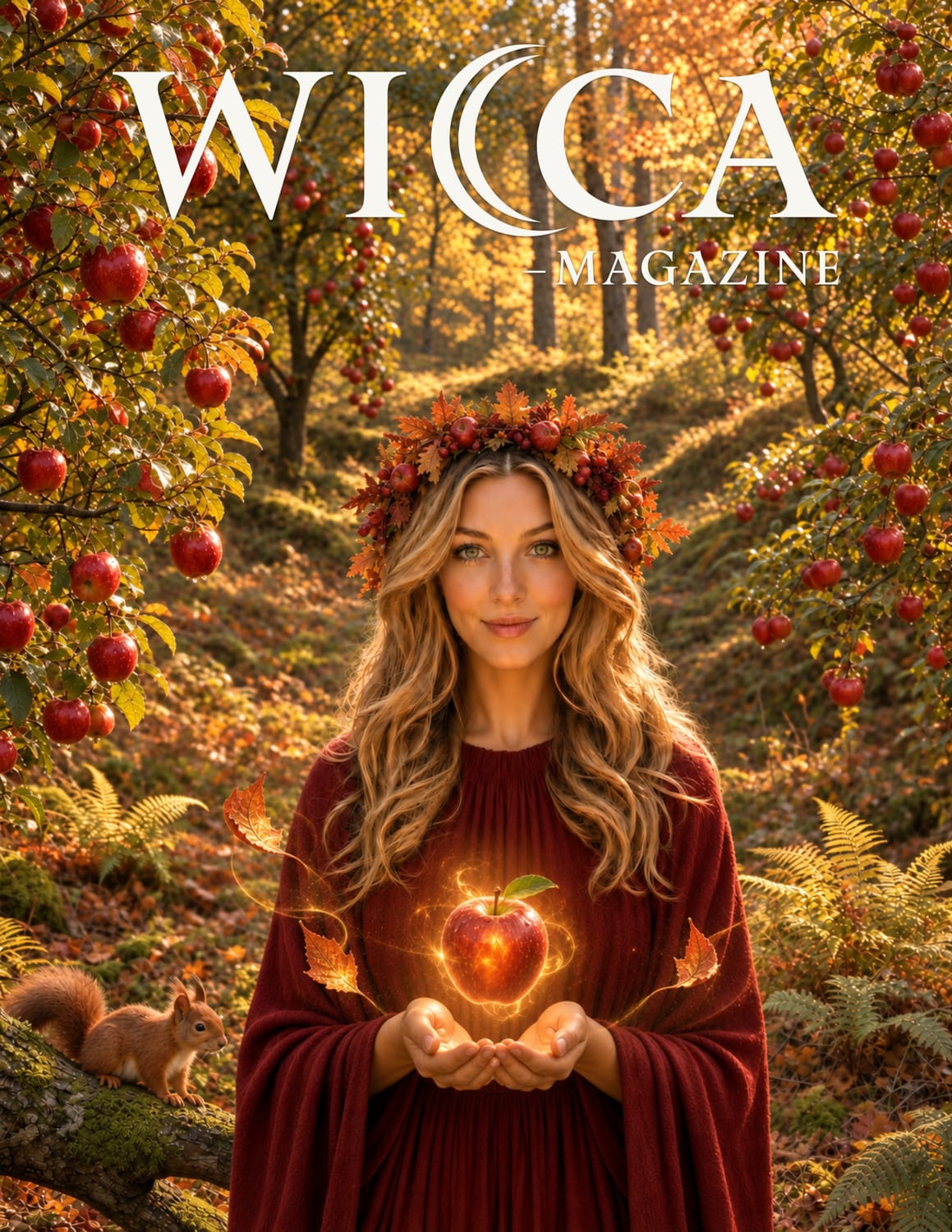
Step into the season of light with Wicca Magazine. Each digital issue is a sacred offering of spells, rituals, and Wiccan wisdom — honoring ancient paths and empowering your modern magick. Your craft, your journey, your magickal sanctuary.
Do you know the difference between horns and antlers? Antlers grow on animals in the Cervidae family, with members like deer, elk, moose, and caribou. In contrast, horns grow on animals in the Bovidae family, including animals like antelopes, sheep, cattle, and mountain goats. The main difference between antlers and horns is that antlers fall off and grow again each year, while horns remain throughout a lifetime because they grow a lot like fingernails do.
There is a multitude of antlers, horns, and bones scattered throughout pagan artwork. Antlers and horns have become symbolic of pagan practice and appear on gods and goddesses throughout different cultures. There are countless images of deities displaying their majestic horns and antlers. And while horns and antlers may look similar, they have very different meanings. Antlers represent vitality and growth as they shed and regrow each year. Horns are not shed like antlers—they endure throughout the animal's lifetime. Horns prevail season after season and remain even after the animal's death. While each had its specific function both in the natural world and the magickal realm, horns are more often used to celebrate. Whether that is to fill a horn full of mead or project sounds of victory throughout the countryside, horns are a symbol of life everlasting as the wheel of the year is forever turning.
Many ancient deities are found with horns. One of the oldest gods in the Vedic pantheon, Agni, is often depicted with horns. The number of horns varies from four to a thousand in descriptions in the Rig Veda. And not only does he have horns, but he is also often found riding a horned ram.
Joining Agni with four horns is the Celtic horned god, Cernunnos. In fact, cornu roughly translates into four horns in Latin. Cernunnos is associated with fertility and nature—his horns are his most defining characteristic, along with his neck rings. But he is not the only nature deity to have horns. Many of the Green Men in pagan traditions also have horns. These spirits often represent the different seasons, and some believe they are responsible for them.
In Neo-Pagan and Wiccan traditions, the Great Horned God is an equal counterpart to the Mother Earth goddess. He, too, is associated with nature, the wilderness, sexuality, hunting, and the cycle of life. While the Earth Goddess is eternal, the Horned God mates with the Goddess, dies and is reborn. The seasonal cycles coincide with his life cycle, and the recurrence of this cyclical pattern helps unite and sustain the world.
The ancient Egyptians also had influential horned gods, including Amun and Hathor. Amun was a self-created god who later merged in mythology with the sun god, Ra, to become known as Amun-Ra. As one of the leading gods in Thebes, he later became so famous that his cult spread into Libya and Greece. Hathor, one of the only horned goddesses, represents fertility and feminine love as she was the patron goddess of motherhood and childbirth.
She welcomed the dead into the otherworld as the “Mistress of the West” and watched over miners. Her horns are found in a pair on top of her head, where between them is a sun disk connecting her to Ra. And the goddess Bat has the face of a woman but ears and horns of a cow. She was a sky goddess whose milk created the Milky Way.
🌙 Featured Issue: Wicca Magazine – Mabon Edition
The Italian horn charm is a twisted chili pepper-shaped amulet. It is very popular all over Italy and amongst Italian descendants. If you have ever traveled to Naples, you may have seen these cornicelli charms hanging everywhere in the streets. Cornicello means little horn or amulet in Italian, but they are most often referred to as corno. They protect against the evil eye, called Malocchio in Italian. It is a silent curse from an envious person that can quickly be put on you without you ever knowing. While wearing a corno protects you from envy, it is most often used to bring about good luck. The horn is commonly worn as a necklace, but it is also often found hanging inside cars for protection.
The twisted horn is believed to originate from a pagan moon goddess. It was initially the shape of the crescent moon, but as time progressed, it began to morph and change. The shape of the crescent moon mimics that of the horns of a bull, and over time, the dual horns of the bull slowly whittled down to a single horn. In ancient Naples, the artisans began to make a corno with a distinctly odd shape. They started to call this shape “tuosto stuorto e cu a’ punta,” or tough and twisted at the tip.
Anyone who carries or wears a corno is protected from danger and blessed with good luck. In this ritual, you will craft your own horn charm to protect you from danger and bring good luck!
air-dry modeling clay
three candles (green, red, yellow, orange, or brown in color)
Begin by researching the shape of horn charms and determine which you would like for your horn. You may want to create your own twist on the traditional style or use the same style as the ancient Neapolitan artisans. Prepare a magickal space where you can sculpt and dry your horn.
To begin the ritual, place the clay and the three candles on a table. Sculpt your horn charm while visualizing it protecting you and bringing good luck. When it is finished, dry the horn. Depending on the type of clay you purchase, it may take different lengths of time to dry.
When it is fully dry, continue the ritual by blessing the horn. As you light each candle, call forth a horned god or goddess to help aid you in protection and good luck. For example, call upon Amun-Ra, the creator of the universe, to bless the charm and protect those near it. And call upon Cernunnos, the god of beasts and wild things, to fill the horn with power to protect all who are near it. And call upon Hathor, sky goddess, to imbue the horn with love to help aid in the protection of those we care about.
Hold the horn between both of your palms and feel the power of each deity radiate within the horn. When ready, hang the horn where you need protection, carry it as an amulet, or create a necklace to wear.
Unfortunately, as time progressed and societies began to shift their worship from the ancient deities to the more modern Abrahamic gods, the portrayal and perception of horned deities moved from the divine to demonic. Scholars believe the transference to a demonic portrayal began with the Canaanite deity, Moloch, who was referenced several times in the Hebrew Bible, most often in Leviticus.
References to this bullheaded god and his cruel practices spawned the downfall of the horned god as divine. He was worshipped by Syrians, Phoenicians, and Carthaginians. It was believed that he demanded the sacrifice of children in the flames at the feet of his statue to ensure the fertility of the fields. Therefore, everything associated with Moloch and subsequently creatures with horns became linked in the people's minds with these cruel practices. And from there, horns became almost synonymous with evil.
Even the fallen angels or demons called Azazel, who are the scapegoats bearing the sins of Jewish people, had horns. And from there, it was only natural that Lucifer himself also sports a pair of horns. In the 14th century, the Knights Templar and Gnostics were purported to worship Baphomet, another horned demon-like deity. From then on, the horned deities became inextricably linked to the devil and evil.
Over time, the transition of horned creatures slowly moved from veneration and reverence to hatred and fear. And while this took hundreds of years and morphed throughout different societies and cultures, it has become deeply rooted in our modern-day culture through religious indoctrination and, most recently, media influences. In fact, the symbol of the horn is so deeply rooted in the representation of evil and malevolence that it has come to be used by various countercultures to demonstrate their rebellion against the suppressive majority. The sign of the horns made as a gesture with the hands became a standard symbol by many at hard rock concerts, thus bringing it ever deeper into traditional society’s view of the horn as something to be feared and counter to the norm.
But while mainstream society usurped the ancient and powerful symbol of the horn, grossly transforming it into something vile, the horn itself and horned creatures were not always depicted as they are today. The horn represented majesty, beauty, and fertility. It was revered as a symbol of power and strength within cultures and should be reclaimed as such.
The Italian horn charm is a twisted chili pepper-shaped amulet. It is very popular all over Italy and amongst Italian descendants. If you have ever traveled to Naples, you may have seen these cornicelli charms hanging everywhere in the streets. Cornicello means little horn or amulet in Italian, but they are most often referred to as corno. They protect against the evil eye, called Malocchio in Italian. It is a silent curse from an envious person that can quickly be put on you without you ever knowing. While wearing a corno protects you from envy, it is most often used to bring about good luck. The horn is commonly worn as a necklace, but it is also often found hanging inside cars for protection.
The twisted horn is believed to originate from a pagan moon goddess. It was initially the shape of the crescent moon, but as time progressed, it began to morph and change. The shape of the crescent moon mimics that of the horns of a bull, and over time, the dual horns of the bull slowly whittled down to a single horn. In ancient Naples, the artisans began to make a corno with a distinctly odd shape. They started to call this shape “tuosto stuorto e cu a’ punta,” or tough and twisted at the tip.
Anyone who carries or wears a corno is protected from danger and blessed with good luck. In this ritual, you will craft your own horn charm to protect you from danger and bring good luck!
air-dry modeling clay
three candles (green, red, yellow, orange, or brown in color)
Begin by researching the shape of horn charms and determine which you would like for your horn. You may want to create your own twist on the traditional style or use the same style as the ancient Neapolitan artisans. Prepare a magickal space where you can sculpt and dry your horn.
To begin the ritual, place the clay and the three candles on a table. Sculpt your horn charm while visualizing it protecting you and bringing good luck. When it is finished, dry the horn. Depending on the type of clay you purchase, it may take different lengths of time to dry.
When it is fully dry, continue the ritual by blessing the horn. As you light each candle, call forth a horned god or goddess to help aid you in protection and good luck. For example, call upon Amun-Ra, the creator of the universe, to bless the charm and protect those near it. And call upon Cernunnos, the god of beasts and wild things, to fill the horn with power to protect all who are near it. And call upon Hathor, sky goddess, to imbue the horn with love to help aid in the protection of those we care about.
Hold the horn between both of your palms and feel the power of each deity radiate within the horn. When ready, hang the horn where you need protection, carry it as an amulet, or create a necklace to wear.
Exploring the mystical path of Wicca with every turn of the page. Join us in celebrating the wheel of the year.
Support@WiccaMagazine.com
Newsletter
Unlock the Secrets of the Craft: Subscribe now to receive exclusive content, seasonal rituals, and magickal insights directly to your inbox.
© 2025 Wicca Magazine - All rights reserved.


Unlock the Secrets of the Craft:
Subscribe now to receive exclusive content, seasonal rituals, and magickal insights directly to your inbox.
© 2025 Wicca Magazine - All rights reserved.