
Someone
from somewhere
Purchased Wicca Magazine
just now

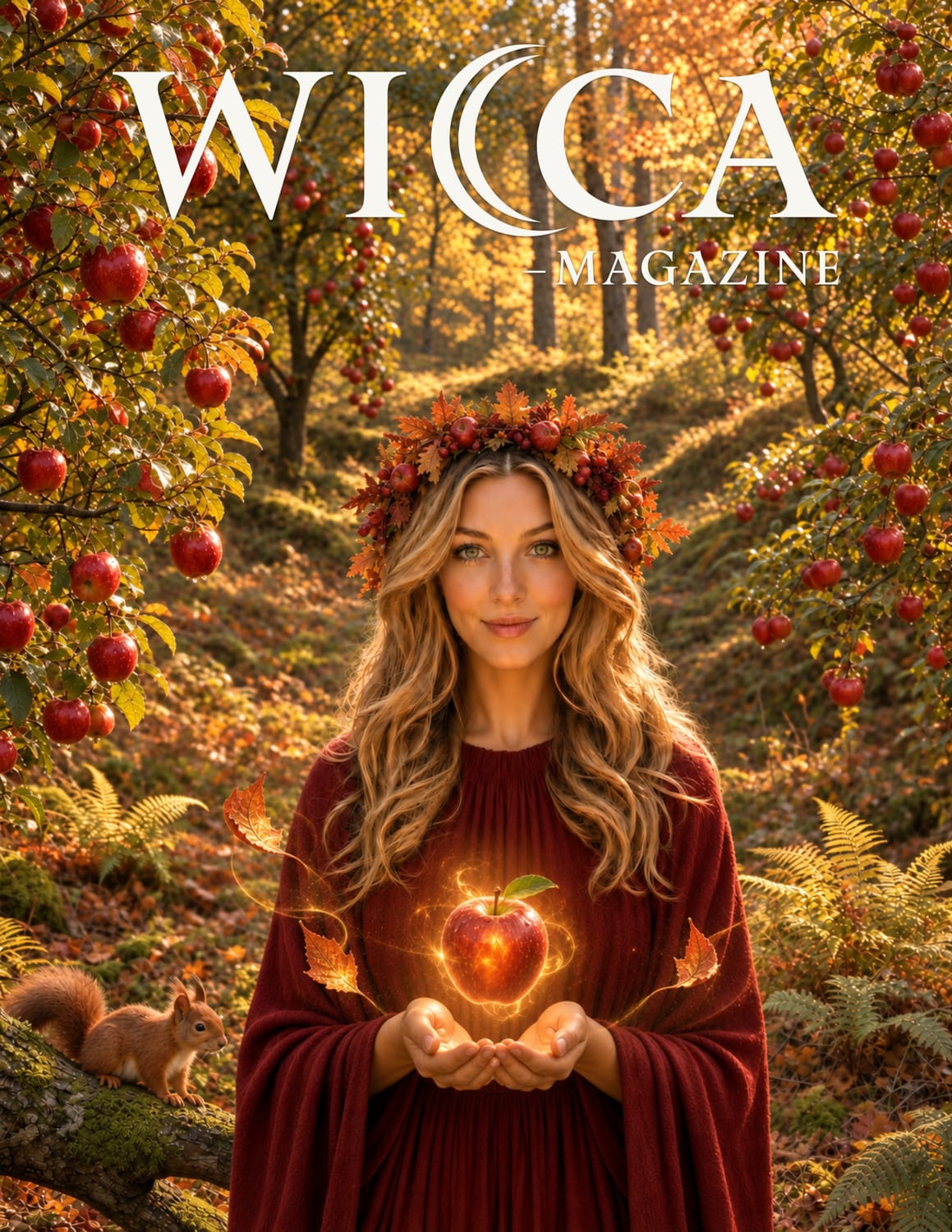
Unlock the Magick of Mabon! - Your Wicca Magazine Issue Awaits
Step into the season of light with Wicca Magazine. Each digital issue is a sacred offering of spells, rituals, and Wiccan wisdom — honoring ancient paths and empowering your modern magick. Your craft, your journey, your magickal sanctuary.
Samhain is one of the most powerful and spiritually charged times of the year, marking both an ending and a beginning. While many envision covens and group rituals during this sacred season, Samhain has always held deep meaning for those who walk the path alone. In ancient times, not every witch, healer, or mystic practiced in groups—many honored the dead, tended the hearth, and communed with spirit in solitude. Today, solitary witches can celebrate Samhain just as meaningfully through personal rituals, ancestral connection, introspection, and intentional offerings. Whether you prefer simplicity or ceremony, the thinning of the veil offers countless ways to honor the season on your own terms.
Samhain is not about performance—it is about presence. Solitary practice allows for deeper reflection, intuitive guidance, and rituals shaped by personal tradition. From altar work to divination, offerings to spirit walking, the solitary witch can create and move through ritual spaces without rules or external expectations. The wisdom of the season invites stillness, remembrance, and release, making solo celebration not only valid but powerful in its own right.
An altar becomes the heart of your practice during Samhain, especially when celebrating alone. You can build a space dedicated to ancestors, spirit guides, deities, or liminal energies, using items like candles, photos, bones, keys, dried herbs, crystals, or seasonal symbols. Traditional Samhain colors—black, deep purple, burgundy, and burnt orange—can be incorporated through cloths, candles, or decor. Even a small shelf, tabletop, or windowsill can be transformed into sacred space.
For the solitary witch, the altar also serves as a point of focus and grounding. Leaving offerings such as apples, bread, cider, nuts, incense, or water acknowledges the presence of unseen visitors. Some witches add written names of ancestors or place items inherited from loved ones. An altar doesn’t need to be elaborate to be effective—what matters is intention and openness to connection.
Honoring the dead is central to Samhain, and solitary witches often experience some of the deepest ancestral contact during this time. You might speak aloud to your ancestors, write letters, or simply sit in silence holding an object tied to someone who has passed. Leaving a plate of food, a glass of wine, or a piece of bread on the altar or outside as an offering invites connection and respect.
Some practitioners create a small “spirit plate” during dinner and set it on the altar or doorstep. Others light a black or white candle specifically for ancestral communication and sit with it in meditation. Even if you do not know your lineage, you can honor the unknown dead, spiritual ancestors, witches of the past, or guardians of your craft. Solitary observance makes room for private remembrance, grief, gratitude, and guidance.
A Dumb Supper can be performed alone and is often more powerful without distraction. Set a table with one extra place for the dead, serve a simple meal, and eat in silence. Keep lights dim or use candlelight to maintain a liminal atmosphere. You can speak to your ancestors internally, or simply allow their presence to be felt without words.
When you finish, leave the spirit plate or cup on the altar or outdoors as an offering. Some solitary practitioners add a written message or name beneath the plate, or place mementos nearby for symbolic connection. The silence of the Dumb Supper creates space for intuitive sensing, gentle visitation, and quiet communion that might not occur in groups.
In ancient times, hearth fires were extinguished and relit at Samhain as a symbol of renewal and protection. Solitary witches can recreate this through candle rituals, small fire bowls, or cauldron flames. You might write down what you wish to release—old fears, habits, sorrow—and burn the paper safely in a dish or fireproof container. As the flame consumes it, visualize its hold dissolving with the turning of the year.
Adding herbs like rosemary, mugwort, bay, or sage enhances the magick of release and protection. Even a single candle on a darkened windowsill can represent the guiding flame between worlds. Fire connects past and future, banishes stagnation, and welcomes transformation—powerful tools for the witch working alone.
Samhain is the most potent time of the year for divination, especially for solitary witches who work without external noise or influence. Tarot, runes, scrying mirrors, pendulums, bone casting, smoke reading, and crystal gazing all gain strength when the veil is thin. Consider asking questions about the coming dark months, your spiritual path, or messages from ancestors.
You may also leave your divination tools on the altar overnight to absorb spiritual energy. Some witches perform readings in darkness lit only by candle flame, while others use reflective surfaces like bowls of water or obsidian mirrors. Keep a journal nearby to record impressions, symbols, and names that arise. Samhain is a time when insight arrives quickly and quietly for those who listen.
🌙 Featured Issue: Wicca Magazine – Mabon Edition
Solitary witches often feel called outdoors on Samhain. Walking through a forest, field, or cemetery at dusk or dawn can become sacred observance. The quiet of nature provides both grounding and connection to the land spirits, fae, ancestors, and local guardians. Pay attention to animal signs, shifting wind, patterns in leaves, or sudden silence—these are part of the conversation.
Offerings such as apples, nuts, dried herbs, bread, or cornmeal can be placed at the base of trees, near stones, or at natural crossroads. You may also leave biodegradable ribbons or pour libations of cider, wine, or water. Walking between worlds doesn’t require speech—your presence, breath, and awareness become the ritual.
Samhain marks both the end of the harvest and the Wiccan New Year. For the solitary witch, this is an ideal time for deep introspection and shadow work. Journaling, mirror gazing, meditation, or writing letters you don’t send can help you identify patterns, wounds, or fears ready for release. The season doesn’t demand answers—just honesty and courage.
You might create a ritual space with a candle and mirror, asking what needs to be seen or acknowledged. Or sit with cards, bones, or runes to reflect on the cycle that has passed. Samhain’s darkness is not punishment but invitation—to rest, to renew, to integrate lessons before the next turning of the wheel.
Because the veil is thin, Samhain is an ideal time to reinforce protection and boundaries. Solitary witches may cleanse their home or ritual space using smoke, bells, salt, besoms, or sprays. Doorways can be anointed with protective oils of rosemary, cedar, myrrh, mugwort, or clove. You can also place black stones like obsidian, tourmaline, or jet at entry points.
Renewing wards—whether energetic shields, wards charged by sigils, or protective spirits—is a simple but powerful act. Some witches trace protective symbols in the air or carve them into candles. Others call on deities or ancestors for guardianship during the season of spirit movement. Protection is not about fear—it is about sovereignty.
For solitary practitioners open to spirit contact, Samhain provides heightened opportunity. You may choose to set boundaries clearly—inviting only ancestors, guides, or benevolent entities, while closing the way to any unwanted presence. Communication can be done through candle flames, pendulums, automatic writing, trance states, or whispered intention.
Creating a circle or casting a boundary of salt, light, or energy ensures safety during spirit work. If a presence makes itself known, acknowledge it respectfully and decide whether to engage. You are never obligated to open the door simply because it knocks. Solitary witches hold the power of choice in every ritual encounter.
Celebrating alone means every ritual can be fully your own. You can dance, drum, chant, pray, or sit in silence. You can prepare a cauldron spell, bake a loaf of bread in honor of the dead, carve a pumpkin for protection, or simply light a candle at midnight. There is no wrong way to celebrate if intention leads the way.
Some solitary witches mark Samhain with music, poetry, or storytelling to the dead. Others create spells for transformation, prosperity, or protection for the year ahead. You might dress in ritual clothing, veils, or cloaks—or celebrate in pajamas with incense and tea. Solitary magick is personal, powerful, and deeply valid.
Samhain does not require a coven to be meaningful. For many witches, solitude deepens the connection to ancestors, the land, and the spirit realm. Working alone allows for authenticity, flexibility, and intimacy with the unseen. Whether your ritual is elaborate or quiet, brief or immersive, the power of Samhain meets you where you are.
As the wheel turns and the dark months begin, the solitary witch carries the flame within—tending memory, honoring death, releasing the old, and stepping into the new year with grounded heart and open spirit. The path may be personal, but it is never truly walked alone.
Exploring the mystical path of Wicca with every turn of the page. Join us in celebrating the wheel of the year.
Support@WiccaMagazine.com
Newsletter
Unlock the Secrets of the Craft: Subscribe now to receive exclusive content, seasonal rituals, and magickal insights directly to your inbox.
© 2025 Wicca Magazine - All rights reserved.


Unlock the Secrets of the Craft:
Subscribe now to receive exclusive content, seasonal rituals, and magickal insights directly to your inbox.
© 2025 Wicca Magazine - All rights reserved.