Someone
from somewhere
Purchased Wicca Magazine
just now

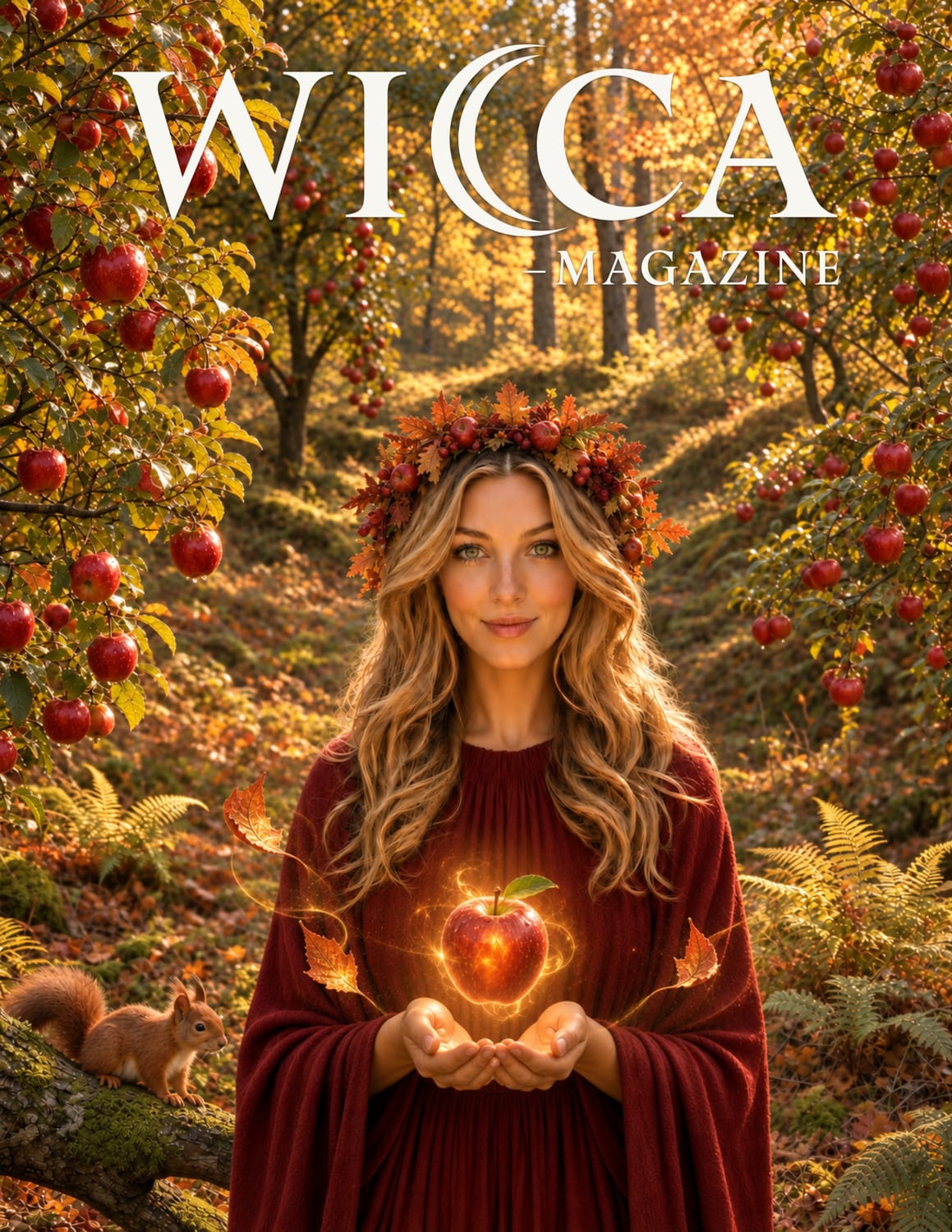
Unlock the Magick of Mabon! - Your Wicca Magazine Issue Awaits
Step into the season of light with Wicca Magazine. Each digital issue is a sacred offering of spells, rituals, and Wiccan wisdom — honoring ancient paths and empowering your modern magick. Your craft, your journey, your magickal sanctuary.
Samhain is more than a seasonal observance—it is a sacred threshold where life, death, and destiny intersect. While modern celebrations often emphasize ancestors, spirits, and the thinning veil, there are deities tied specifically to this time whose presence has faded from common practice. These forgotten gods of Samhain once guided souls, governed the harvest’s end, walked the shadowed roads between realms, and shaped fate as the year descended into darkness. They ruled transitions, endings, rest, and the mysteries of the unseen.
For witches who walk the old paths, reconnecting with these deities can deepen Samhain’s spiritual potency. Many are not gentle figures, but neither are they cruel—they embody cycles that cannot be denied. Death, rebirth, surrender, harvest, memory, and prophecy all fall within their realm. Honoring them is not about fear—it is about reverence, sovereignty, and acceptance of transformation. As the wheel turns and the year falls into night, these gods rise again to walk the liminal spaces of Samhain.
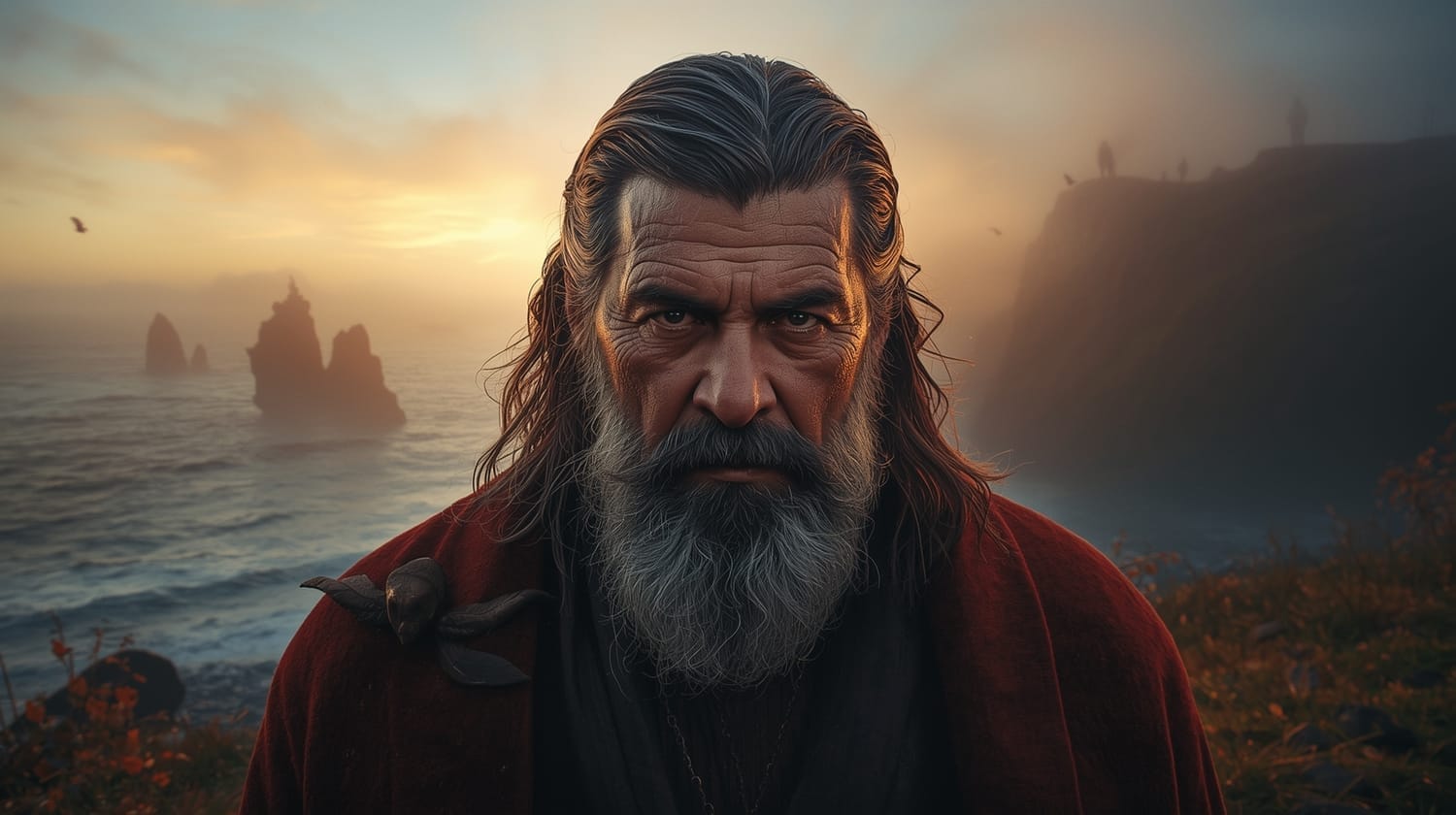
In Irish lore, Donn is believed to be the first mortal to die and the one who became ruler of the dead. His home, Tech Duinn (“The House of Donn”), was said to be the place all souls would go after death. The ancient Irish believed that the dead returned to their descendants from Donn’s realm each Samhain, guided across the sea by wind and memory.
Today, Donn is rarely invoked, overshadowed by figures like the Morrigan or Manannán. Yet his energy is deeply ancestral and bound to the Samhain season. He represents not only death but lineage, soul return, and the continuity of blood and spirit. A candle lit on a western-facing windowsill or a small offering of bread or whiskey can honor him as guardian of the ancestral road.
Some witches also call on Donn when seeking closure with the departed, guidance in ancestral healing, or protection during necromantic work. His presence is steady, rooted, and ancient—unmoved by fear or sentimentality. To honor Donn is to remember that all spirits, no matter how far gone, remain part of the great returning tide.
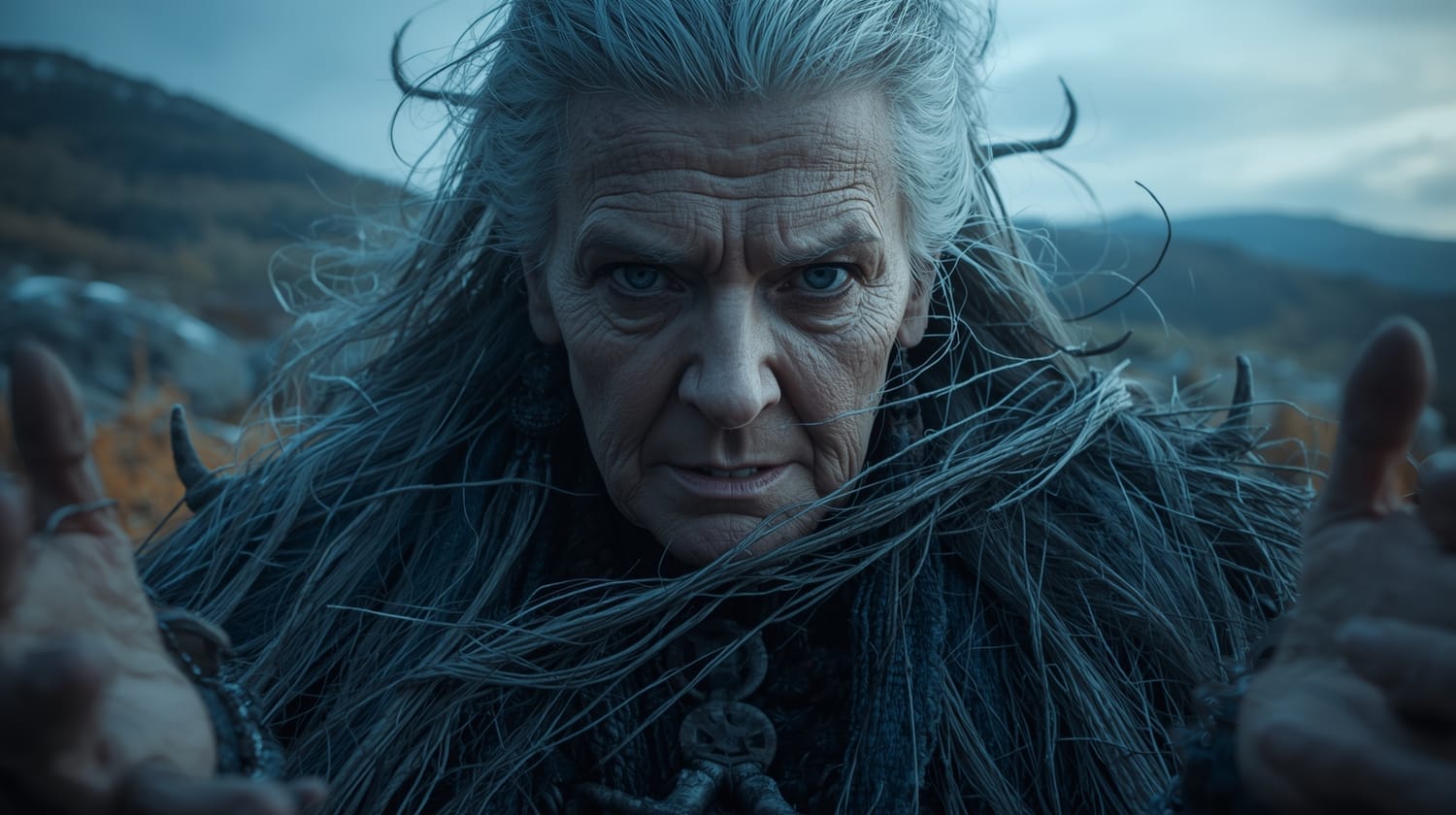
Before winter was personified by seasonal aesthetics, the Cailleach ruled it with storm, frost, stone, and bone. She is an ancient goddess of the land, older than gods of light or harvest. At Samhain, she awakens to claim the earth again, signaling the death of the growing season and the return to stillness.
The Cailleach is not merely destructive—she preserves through decay and clears away what cannot endure winter. Solitary witches may honor her by collecting stones, leaving offerings at natural wells or rocky hills, or engaging in rituals of release. She is a protector of the land and a bringer of necessary endings, calling witches to accept death as sacred, not tragic.
Working with the Cailleach also invites resilience and truth. She is not the softness of spring or the abundance of summer—she is the stern voice that asks, “What will you carry into the dark, and what must be left behind?” Invoking her can empower rituals of boundary-setting, survival, and transformation through austerity and wisdom.

In Welsh tradition, Gwynn ap Nudd is a ruler of the Otherworld and leader of the spectral Wild Hunt. He gathers wandering or restless souls at liminal times, especially during Samhain and the dark winter months. He is both a guardian and a gatherer, keeping balance between the living and the dead.
To work with Gwynn is to acknowledge the wildness of Samhain night—the sound of wind, hooves, or distant howls as signs of spirits in motion. Offerings of blackberries, dark wine, or antler imagery resonate with his energy. He teaches the witch to walk between realms without fear and to recognize that spirits travel in great tides, not as isolated shadows.
Those who honor him may feel drawn to nocturnal ritual, pathworking beneath the trees, or silent waiting at crossroads. For witches working psychopomp magick or ancestral retrieval, Gwynn ap Nudd offers protection and clarity. His presence reminds us that not all spirits linger—some must be guided.
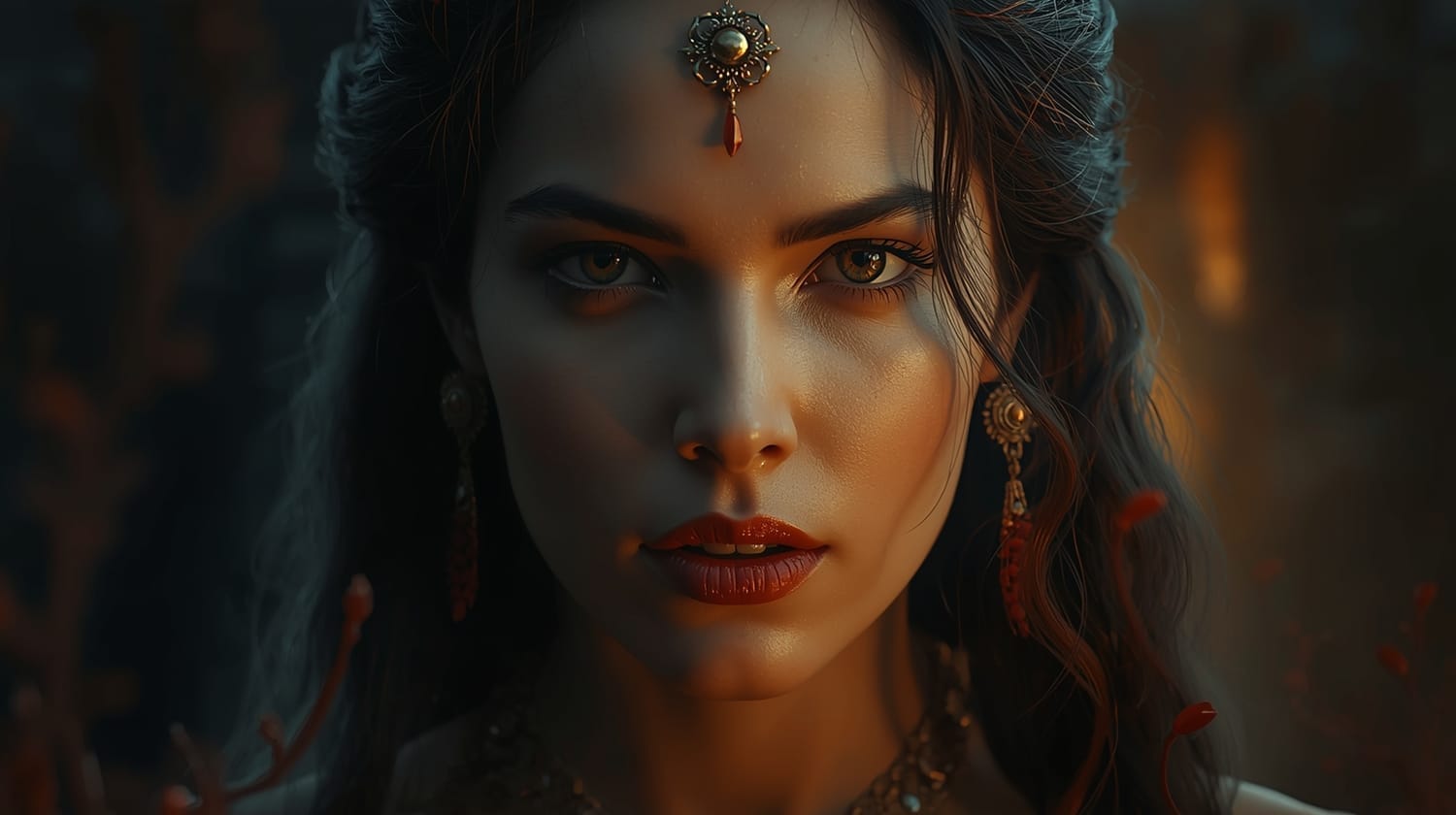
Though often associated with spring’s return, Persephone’s true power lies in her journey downward. She is the one who walks willingly into the underworld, embracing darkness, sovereignty, and transformation through descent. Her mythology aligns strongly with Samhain’s themes of crossing, surrender, and rebirth.
Modern witches may honor Persephone not as a victim of abduction, but as a deity of initiation and cyclical power. Pomegranate, dried rose, obsidian, and black candles are fitting offerings. She reminds witches that darkness is not a void to fear—it is a throne room of becoming, where the soul reflects and renews itself.
Many solitary practitioners seek Persephone during times of personal transition—grief, identity change, spiritual rebirth, or shadow work. She offers not rescue but guidance, helping witches reclaim power in their descent and find meaning in their own underworld rites.
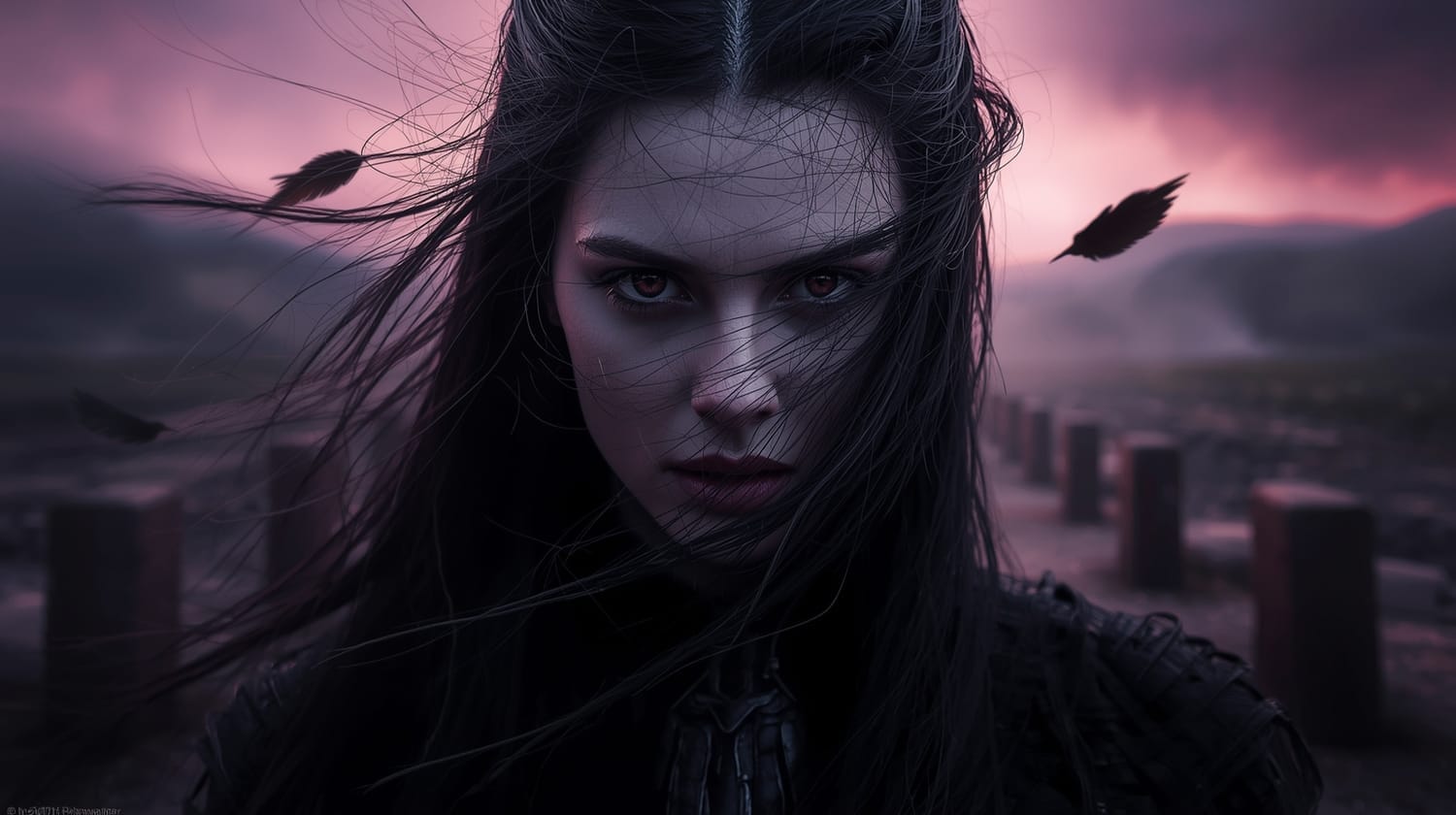
The Morrigan is often invoked at battlefields, but her role extends to death’s threshold and the fate of the soul. At Samhain, her prophetic voice rises in the wind, and crows gather as messengers of what must end. She is a goddess of unraveling, of the year’s last breath, and of the power found in release.
Working with the Morrigan during Samhain may involve calling on her for protection, clarity, or courage to sever unhealthy ties. She is not soft, but she is just—what she removes is what cannot continue. Offerings of black feathers, dark berries, iron, or fresh water by moonlight honor her presence. She teaches strength in transition and command of one’s own fate.
Those who honor her may feel sudden insight, dreams of shapeshifting, or an acute awareness of crossroads moments. She appears not to comfort but to awaken the witch’s will—to cut where necessary and to stand unshaken before the turning year.
🌙 Featured Issue: Wicca Magazine – Mabon Edition
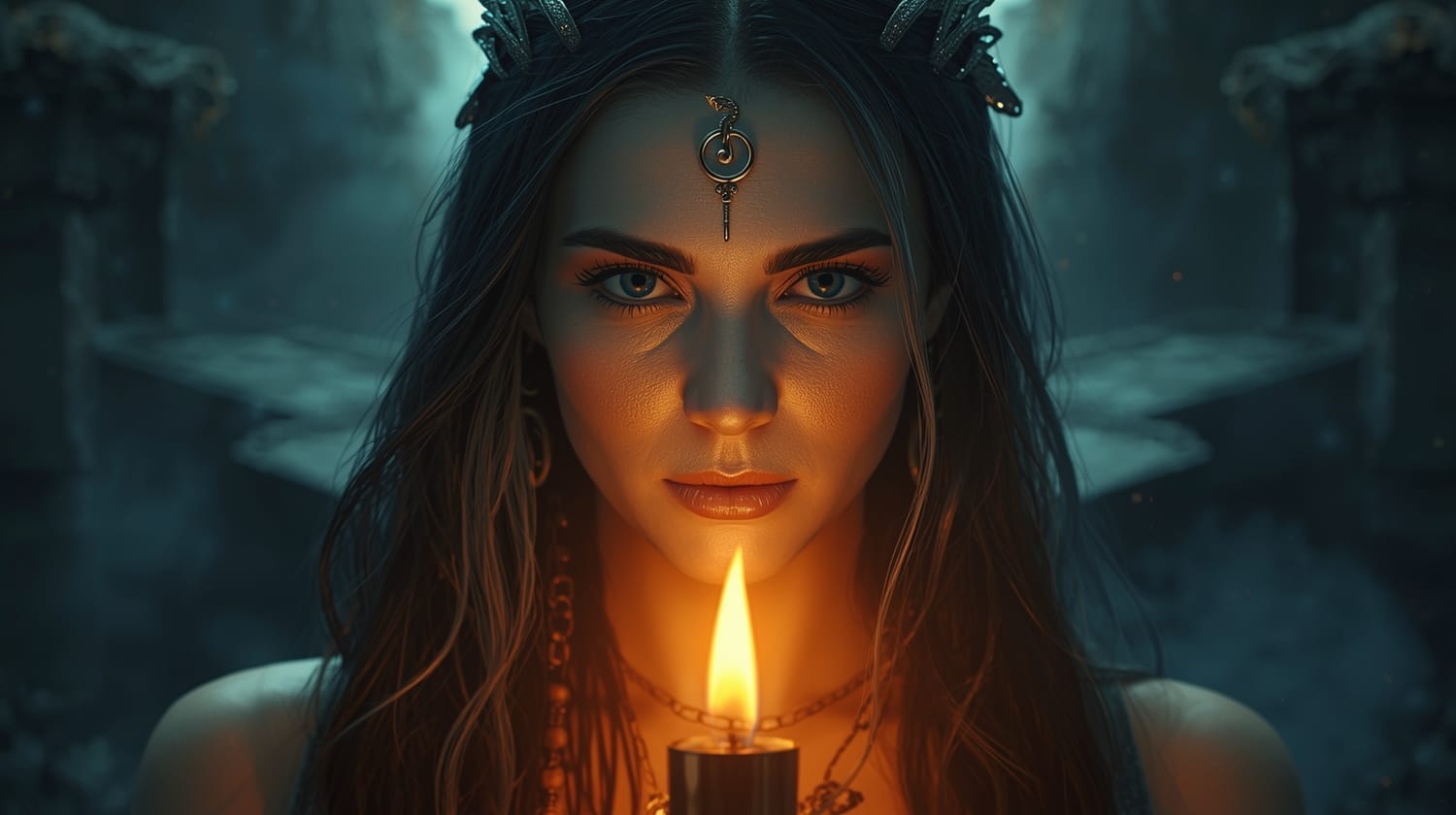
Hecate, though increasingly recognized, remains one of the most misunderstood liminal goddesses. She governs crossroads, ghosts, necromancy, and the thresholds between mortal and spirit realms. At Samhain, she stands at the gates as both guardian and guide, holding keys and torches for those who seek deeper mysteries.
Solitary witches may honor her with offerings of garlic, honey, eggs, serpent imagery, or black dogs. Lighting candles at doorways, crossroads, or near mirrors creates a sacred point of contact. Hecate teaches witches not to fear the unseen but to move through it with purpose and respect.
Her presence also protects sacred spaces, circles, graveyard boundaries, and ancestral roads. When invoked properly, she opens doors that lead to knowledge—and ensures whatever leaves the veil does so by consent, not chaos.

In Norse tradition, Hel is the keeper of the dead who do not die in battle—common souls, ancestors, elders, and those who pass quietly. She rules a realm of stillness, rest, and neutrality, and is not a figure of malice but inevitability.
Hel’s energy is especially potent for ancestral veneration, shadow work, or release rituals. Black stones, evergreen sprigs, bones, and snow water are suitable offerings. She reminds witches that death is neither punishment nor reward—it is necessary return. Her realm is not a place of fear but of deep quiet and truth.
Working with Hel also aids those processing grief or spiritual transition. She teaches calm endurance, emotional clarity, and grounded acceptance. Her silence is not absence—it is invitation to listen.
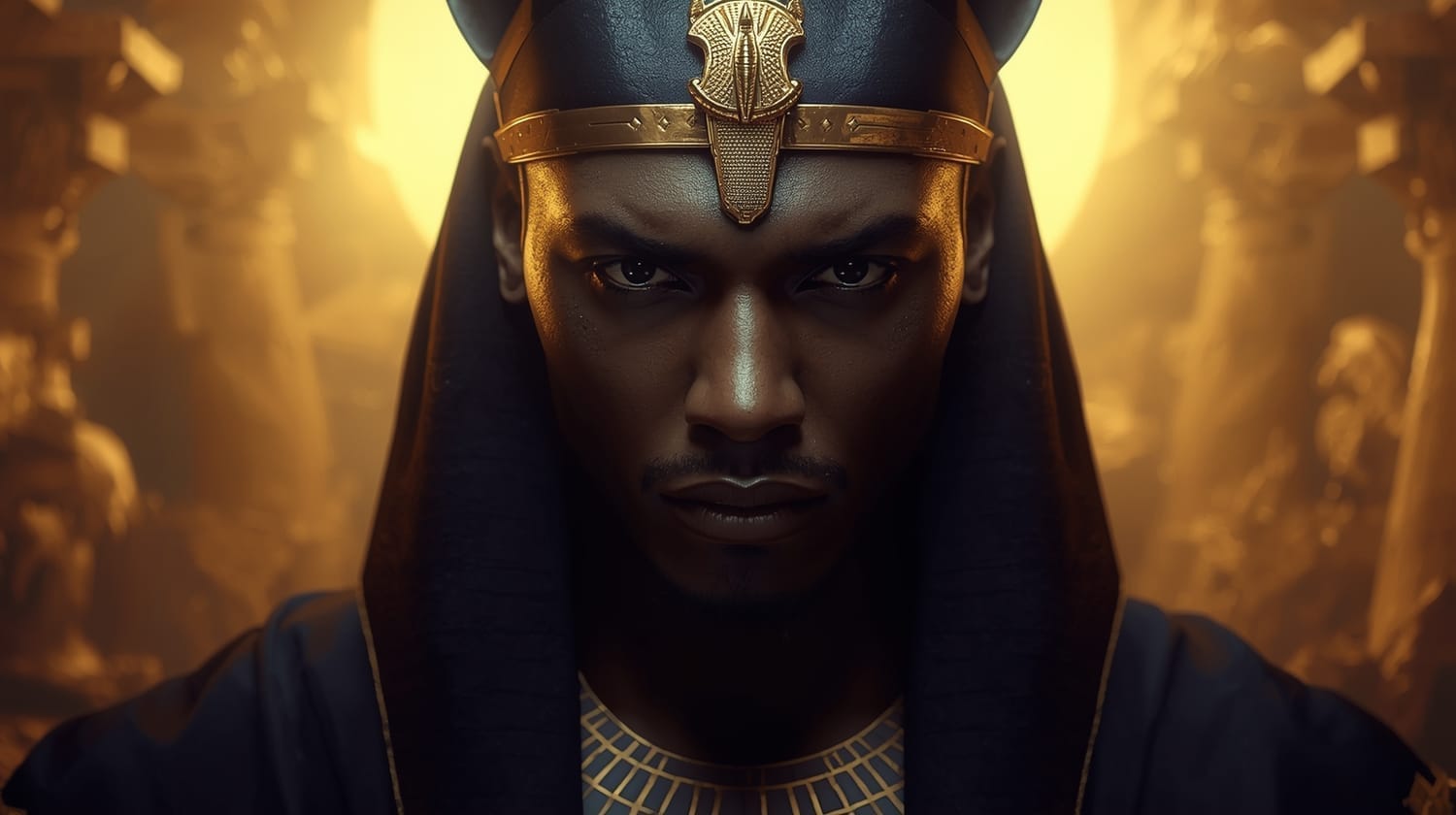
From ancient Egyptian belief, Anubis is a psychopomp—one who guides souls from the mortal world to the next. While often associated with mummification and funerary rites, his deeper role is that of transition and equilibrium between realms.
Solitary witches may connect with Anubis through meditations involving candles, incense like myrrh, and symbolic heart-and-feather work. He teaches clear discernment, spiritual preparation, and the honoring of both physical and subtle bodies. His presence at Samhain brings order, peace, and safe crossing.
Anubis may also be called upon for dreamwork, mediumship, or protection while doing veilwalking or ancestral communication. His energy is steady, impartial, and respectful—a guardian of thresholds rather than a ruler of fear.

Crom Dubh is an ancient Irish god linked to the last harvest, sacrifice, and the survival of winter. Though later demonized, he once held authority over the land’s final offering and the fate of those entering the dark half of the year.
Working with Crom Dubh means acknowledging what must be harvested within the self—whether grief, fear, or stagnation. Grain offerings, dark breads, and carved root vegetables connect to his energy. He embodies the truth that all cycles demand closure, and that endings feed beginnings.
For witches, Crom Dubh is a deity of reality and consequence. He does not ask for despair—only honesty. His energy supports spells of release, grounding, and preparation for the winter ahead.
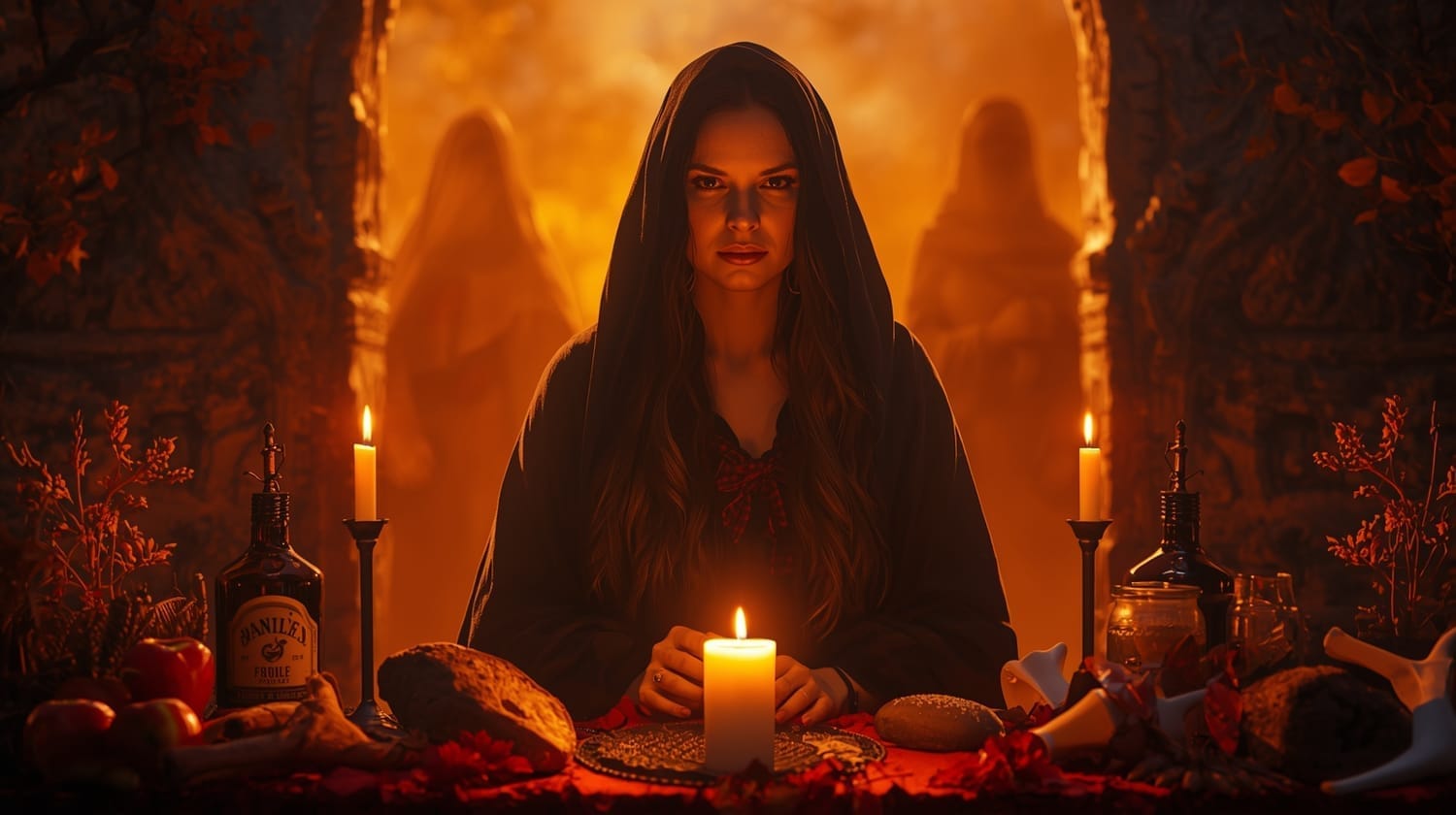
Many of these gods no longer appear in mainstream Samhain rituals, yet their influence lingers in silence, instinct, and shadow. To call on them does not require ceremony—you can speak their names at an altar, leave offerings at a crossroads, meditate on their stories, or work with symbols tied to their domains.
Solitary witches may choose one deity to honor throughout the Samhain season or invite multiple presences through carefully crafted space. What matters is authenticity, respect, and willingness to listen. These gods do not demand devotion—they respond to remembrance.
Reintroducing them into modern craft restores depth to Samhain, expanding it beyond generic ancestor work into something older, more rooted, and fiercely alive. They remind us that endings are not erasure—they are transition.
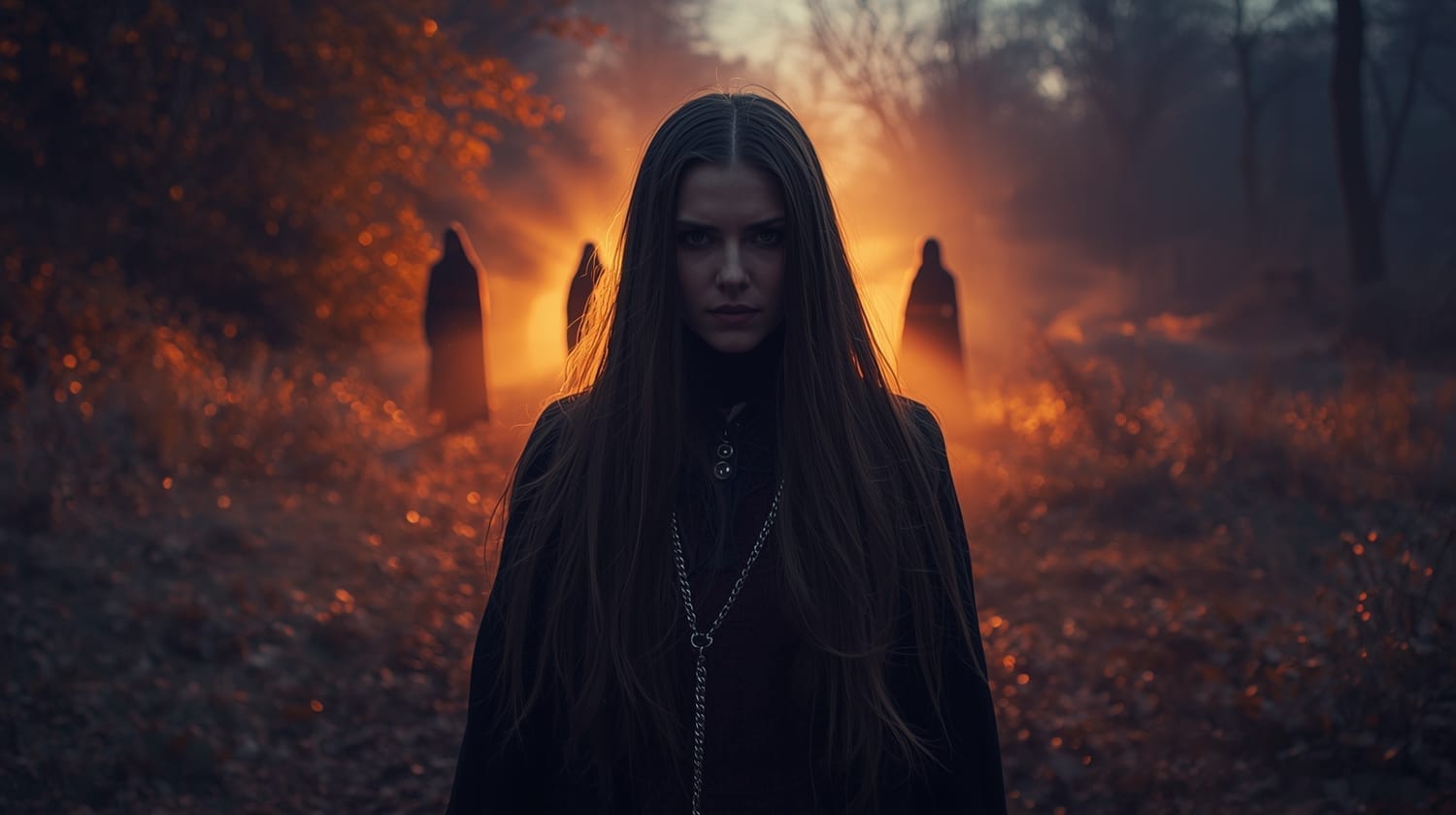
Samhain is not only about honoring the dead—it is about acknowledging the powers that govern death, fate, and transformation. The gods who stand at these thresholds have been whispered about for centuries, even if they no longer take center stage in ritual. Calling them back into awareness does not summon fear—it restores balance.
To work with these deities is to accept the sacredness of change, the dignity of endings, and the promise hidden in the dark. As the wheel turns and winter begins, their presence offers witches strength, rooted memory, and guidance across the liminal road. The forgotten gods of Samhain were never gone—only waiting to be seen again in the shadows where the year is reborn.
Exploring the mystical path of Wicca with every turn of the page. Join us in celebrating the wheel of the year.
Support@WiccaMagazine.com
Newsletter
Unlock the Secrets of the Craft: Subscribe now to receive exclusive content, seasonal rituals, and magickal insights directly to your inbox.
© 2025 Wicca Magazine - All rights reserved.


Unlock the Secrets of the Craft:
Subscribe now to receive exclusive content, seasonal rituals, and magickal insights directly to your inbox.
© 2025 Wicca Magazine - All rights reserved.