Someone
from somewhere
Purchased Wicca Magazine
just now


Unlock the Magick of Mabon! - Your Wicca Magazine Issue Awaits
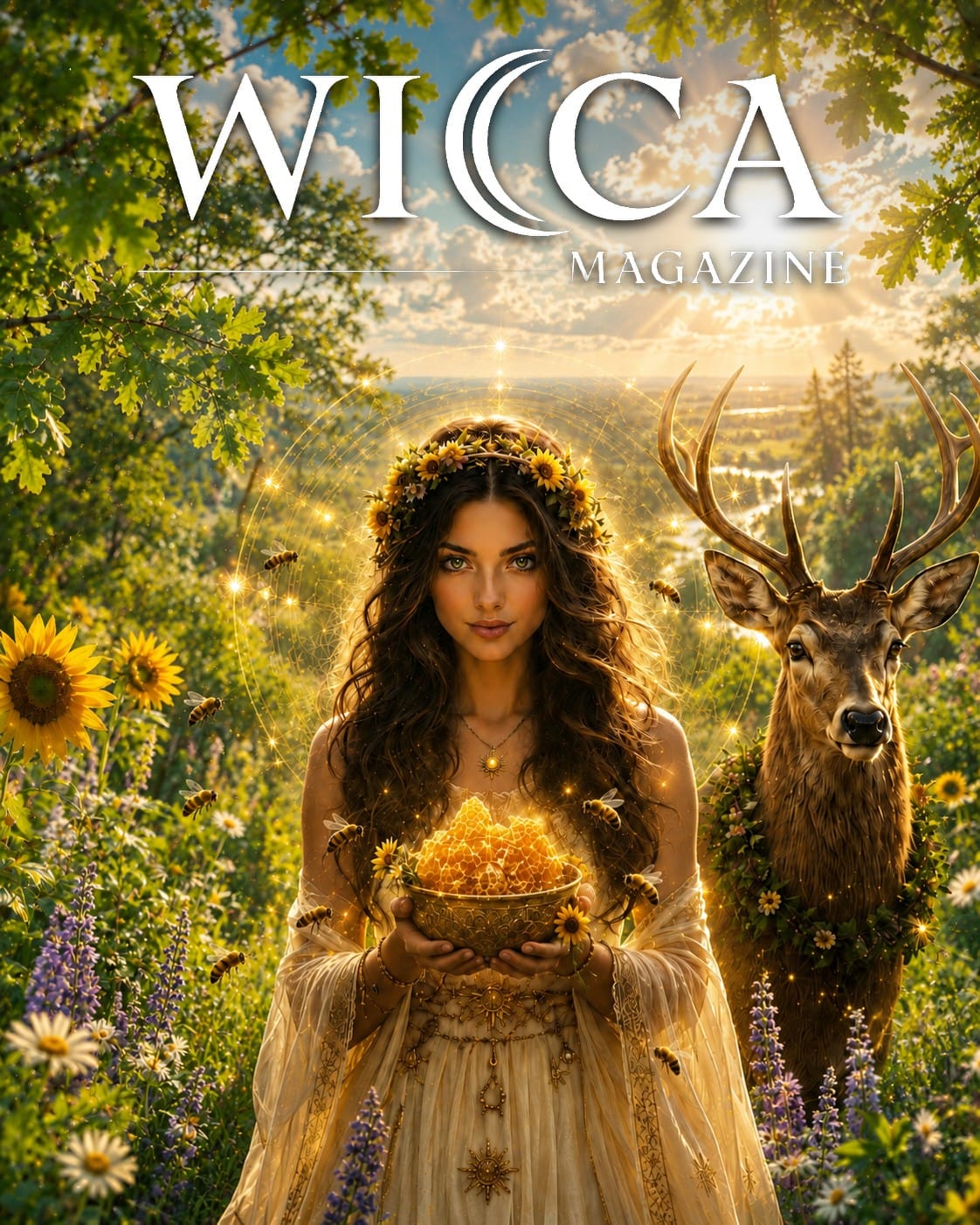
Step into the season of light with Wicca Magazine. Each digital issue is a sacred offering of spells, rituals, and Wiccan wisdom — honoring ancient paths and empowering your modern magick. Your craft, your journey, your magickal sanctuary.
Dealing with Discord in Your Coven
In the world of human groups, a coven is an odd bird indeed. A coven can be seen as a group of people joined together with a variety of goals and motivations, from many different life experiences, of different backgrounds, and each with her or his own notions of what it is they are joining together in and why. A coven is a working group, where witches practice their magical skills and celebrate the wheel of the year. Thus, a coven can be considered a professional organization. A coven is also a group of people bound together personally, privy to some of each other’s secrets and history, and, in the most effective covens, joined also by friendship. A group of witches works together, true, but a coven also plays together, joyfully celebrating both the pagan festivals and each others' life milestones, victories, and achievements. Thus, a coven can be considered a social organization.
Either through the working of spells and rituals or through the joys of interaction and support, a coven can also be a place of personal healing for its members. Magicians bound together in a coven often find their work together brings a soothing balm on their individual spirits. Often, rituals can be deliberately crafted with the aim of personal healing for coven members. Or, a spell can be cast to bring about healing in the greater community, or even in the world. Thus, a coven can be considered a group of healers.
Finally, a coven is a conduit of energies of all types. There are physical, emotional and psychic energies from all of the members present. There are also the magical energies present, those that are naturally present, such as the elements, and those that are invoked and evoked by magical ritual (depending upon the coven’s beliefs in goddesses, gods, nature spirits, cosmic energies, etc.). All of these energies add to the flavor of the coven. Such is the influence of these energies that they could almost be considered another member of the coven; indeed, some witches do honor the esoteric energies as magical partners in the coven.
With all of this variety of people and purposes and energies, a coven can become a bit cacophonous. It is important in any coven, and perhaps even more so the larger the number of witches in the coven, to have open, honest, and continual communication. Allowing communications between coven members to slide because of busyness or because it’s more fun to get together and work on spells, rituals, and celebrations is neglecting an essential fact of an effective, worthwhile coven - it takes work to keep it together.
How this work will be divided up, and how it will be accomplished, depends a bit upon the structure of the coven. In the more traditional Wiccan covens, as well as in Druidic groups and most Ceremonial groups, there are designated Leaders / Officers, sometimes called High Priestess / Priest. Covens that are more egalitarian in nature may not have such designees. Regardless, it is very helpful to have an organizational meeting or series of meetings at the formation of the coven, and definitely before any magical workings are attempted. For this initial organizational meeting, an agenda is best, so as to keep focus. Some items for the agenda could include:
Leaders/officers - define these and elect or appoint them
Checklist for ritual preparation - location, food, tools, childcare, set up and clean up, etc. This list can be kept and used every time the coven is preparing for a ritual or celebration.
House rules - these can be anything from a no smoking policy to the amount due each month for contribution to coven supplies to an agreement that if a member commits to bring something or fulfill a role in a ritual they notify the others 48 hours in advance if they cannot fulfill their commitment. Be creative here and brainstorm rules that will keep harmony amongst members. Creating this list as a group can be a bonding experience in itself, and will reveal some of the different priorities and thought processes of the members.
People who are drawn to the practices of discovery, self-discipline, and the magical, esoteric, and occult sciences tend to be strident individualists. There is a saying amongst pagan circles that getting a group of magicians to work together is like “herding a group of cats.” This is actually a good thing in a coven, though. Different personalities mean all sorts of different strengths and skills are brought to the mix! Organizers of a coven, and indeed all coven members, should keep an attitude of gratitude - and celebrate and embrace the differences in the group!
In his Masterclass on the Art of Storytelling, acclaimed author Neil Gaiman noted that there are no stories without conflict. So with life, and so with life working in a coven. The most important tool a coven has in dealing with conflict is communication. When a conflict arises, it is important that it be addressed immediately. Unattended arguments only grow bigger. A “mediator” from within the coven should be chosen, and the parties in conflict should meet in a relaxed atmosphere with the mediator. There are many good books available about mediation and conflict resolution, and it’s a good idea to have one or two of these as part of your coven’s library. A mediation should be resolution-focused, rather than an exercise to assign blame, and it is useful if both injured parties state their intentions to resolve their disagreement for the sake of the coven and for the sake of their friendship. This statement, made out loud at the beginning of a mediation, is a setting of magical intent, and is very powerful.
Here are a few ‘red flags’ to look out for when keeping an eye on the health and cohesion of your coven. It’s time to have a social event to strengthen your bond!
Life/magic balance and coven/individual study balance - when a member appears to be obsessed with the coven, all consumed with coven business, and so absorbed by coven activities that she/he has no time for individual meditation and study.
Cliques within the coven - small groups within a larger coven that deliberately exclude others are signs of splintering.
Withdrawn members - a coven is meant to be a team, and a team is only as strong as its least active member. Watch out for members who are continually late, start taking less roles in rituals, and seem distracted. With open communication, conflicts can be identified and resolved before they become ruinous, and your coven can continue on in harmony and power.
Exploring the mystical path of Wicca with every turn of the page. Join us in celebrating the wheel of the year.
Support@WiccaMagazine.com
Newsletter
Unlock the Secrets of the Craft: Subscribe now to receive exclusive content, seasonal rituals, and magickal insights directly to your inbox.
© 2025 Wicca Magazine - All rights reserved.


Unlock the Secrets of the Craft:
Subscribe now to receive exclusive content, seasonal rituals, and magickal insights directly to your inbox.
© 2025 Wicca Magazine - All rights reserved.