Someone
from somewhere
Purchased Wicca Magazine
just now

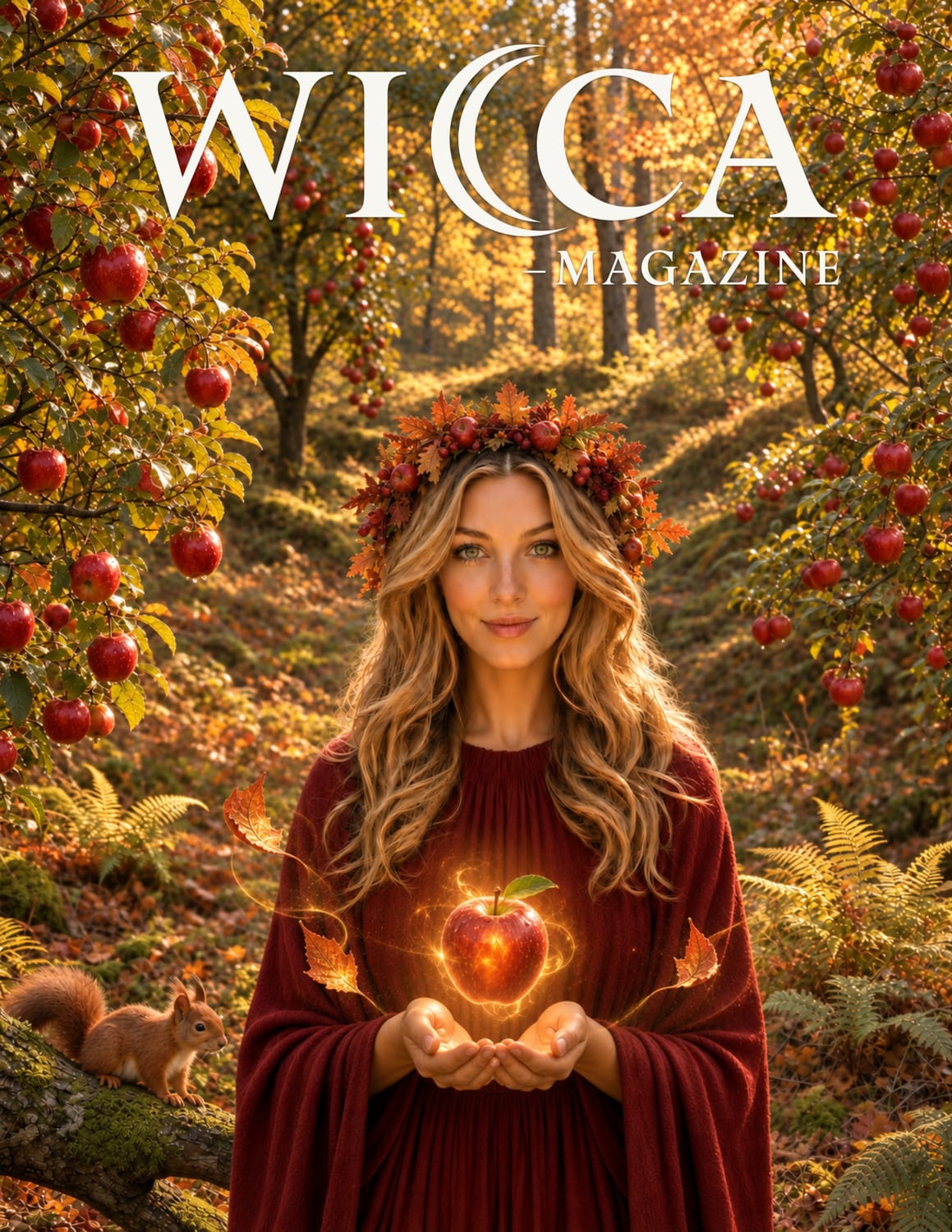
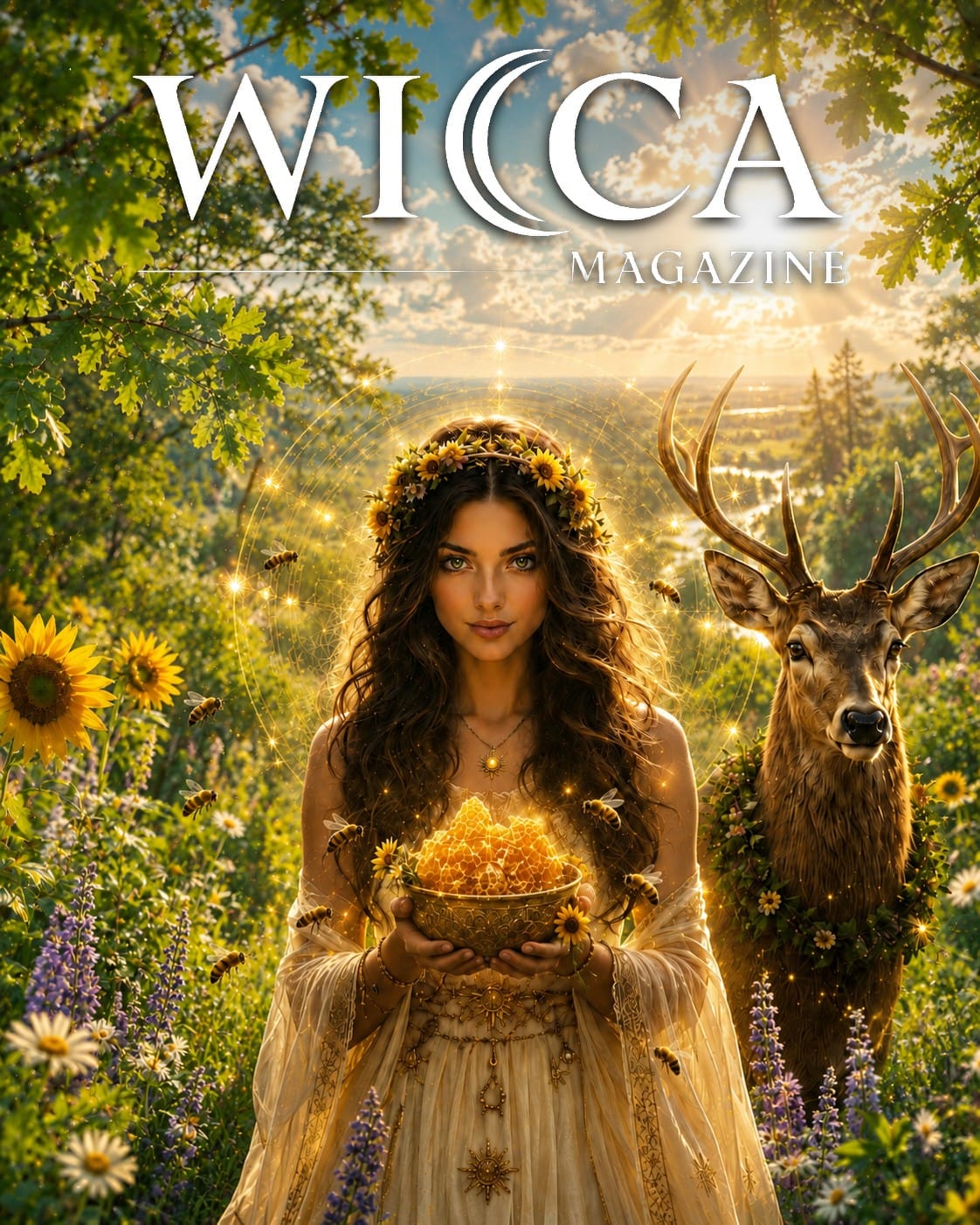
Unlock the Magick of Mabon! - Your Wicca Magazine Issue Awaits
Step into the season of light with Wicca Magazine. Each digital issue is a sacred offering of spells, rituals, and Wiccan wisdom — honoring ancient paths and empowering your modern magick. Your craft, your journey, your magickal sanctuary.
Samhain marks the Wiccan New Year, the final harvest, and the time when the veil between worlds is at its thinnest. It is one of the oldest and most sacred festivals in Pagan and Wiccan traditions, rooted in Celtic history and carried forward into modern spiritual practice. While the celebrations of today may look different from those of ancient times, the spirit of Samhain continues to thrive through traditions that honor ancestors, nature, death, and renewal.
Below are ten meaningful Samhain traditions every modern witch should know—each one shaped by history yet brought to life in today’s practice.
In ancient Celtic culture, Samhain was a time to welcome the spirits of the dead back into the home. Families would leave food and drink on tables or windowsills to nourish their beloved dead on their journey.
Today, many witches set up ancestor altars with photos, candles, heirlooms, and offerings such as bread, apples, whiskey, or tea. Some write letters to departed loved ones or speak their names aloud in gratitude. Others hold quiet vigils, meditate on family lineage, or work with guides from the ancestral realm. Whether simple or elaborate, ancestor veneration remains one of the most powerful Samhain observances.
Modern practitioners may also set aside time for storytelling or genealogy work as a sacred act. Sharing memories of family members, lighting a candle for unknown ancestors, or researching lineage during Samhain deepens the thread that connects past and present. Even witches without blood family ties may honor spiritual ancestors, teachers, or collective lineages of the craft.
The Dumb Supper is a silent meal dedicated to spirits of the departed. The tradition may have originated from Celtic customs of leaving food out for visiting ancestors, but it became more structured in later folklore.
During a Dumb Supper, participants eat in silence, often by candlelight, leaving one or more empty seats at the table. A plate is set for the dead, and food is served to honor them. Silence allows for spiritual connection, reflection, and intuitive communication. Some witches meditate during the meal, while others listen inwardly for guidance or messages from beyond the veil.
In addition to silence, many choose to serve the meal backward—placing dishes in reverse order or sitting in reverse seating patterns—to symbolically mirror the world of spirit. After the meal, offerings may be placed outdoors, buried, or burned as a sign of release and respect. Even a solo Dumb Supper can be deeply moving and transformative.
Samhain has long been associated with prophecy. Ancient Celts believed this was the most potent time for foretelling the future, as the boundary between realms grew thin. They used methods such as scrying into water, reading omens, or interpreting flames.
Modern witches carry this practice forward through tarot card readings, pendulums, mirror scrying, runes, or smoke gazing. Some hold group divination circles or spirit communication sessions with caution and respect. Others perform guided meditations to connect with the otherworld. Divination at Samhain is not just about prediction—it’s a way to receive wisdom for the darker half of the year.
Some practitioners dedicate a special notebook or grimoire section to Samhain readings, making this the time they evaluate spiritual goals or prepare for the turning of the year. Divination spreads focused on endings, transformation, and renewal are especially popular. Even simple practices like casting lots, bibliomancy, or dream interpretation hold extra power during this season.
Fire was a central element of ancient Samhain rituals. The Celts extinguished their home fires and relit them from a communal bonfire blessed by druids, symbolizing unity, cleansing, and protection for the winter ahead.
Today, few have access to giant hilltop fires, but the symbolism lives on. Modern practitioners light candles, hearth fires, fire pits, or cauldrons with herbs such as rosemary, mugwort, or sage. Some anoint black and orange candles to represent death and rebirth. Fire cleanses, protects, and creates a sacred space for rituals and reflection.
Even witches without access to an open flame may use electric candles or visualization to invoke this tradition. Writing intentions on bay leaves and placing them safely in a flame-safe dish, or using incense in place of fire, allows the essence of the rite to continue. Fire is not just warmth—it is the spark that carries prayers and endings into transformation.
Before pumpkins were used, the Irish carved hollow turnips with faces to ward off malevolent spirits. When Irish immigrants reached America, pumpkins became the easier—and more decorative—option.
Now, carving pumpkins (or turnips for tradition’s sake) is both fun and magickal. Witches may carve protective symbols, spirits, or ancestral faces into them. A candle is placed inside to shine through the darkness, serving as both a ward and a guiding light for benevolent spirits.
Some practitioners bless their carved lanterns with saltwater or smoke before placing them outside. Others inscribe sigils on the underside of the pumpkin or fill them with herbs and spices before sealing. When the celebration ends, returning the pumpkin to the earth through composting or burial honors the cycle of life and death.
🌙 Featured Issue: Wicca Magazine – Mabon Edition
Samhain is the final harvest festival, traditionally marking the gathering of late crops. Apples, root vegetables, nuts, grains, and preserved meats were staples of the season.
Modern witches celebrate through intentional feasting. Foods often include apple dishes, pumpkin bread, roasted vegetables, mulled cider, corn, and dark breads. Some bake soul cakes or offer the first bite to ancestors. Sharing seasonal meals with family or covens, in person or spiritually, honors the earth’s final gifts before winter.
Some practitioners prepare a special “spirit plate” and place it outdoors after ritual, or leave a cup of cider by the door. Others incorporate kitchen witchery by stirring intentions into their cooking or using ancestral recipes. Seasonal eating reminds witches that magick is woven into daily life and nourishment.
With the veil thin, ancient people protected themselves with charms, bonfires, and boundaries to ward off wandering spirits and other forces.
Modern witches may cleanse their homes with smoke, salt, bells, or besoms before setting protective wards. Black crystals like obsidian, onyx, or tourmaline are placed at entryways. Some create protective sachets or anoint doorways with oils of clove, rosemary, or cedar. Warding rituals at Samhain ensure safety while navigating enhanced spiritual energy.
Many witches also set energetic boundaries through visualization, protective sigils, or guardian spirit work. Cottage, hearth, and land spirits may be invited to assist in safeguarding the home. Even something as simple as lighting a candle in each window or placing iron near doorways can align with tradition.
As a liminal time between seasons and cycles, Samhain invites introspection. Ancient people accepted death as a natural part of existence, which made space for renewal.
Modern practitioners use this time for shadow work—facing fears, outdated beliefs, and emotional burdens. Rituals may include writing what needs releasing on paper and burning it, journaling by candlelight, or meditating on transformation. This is also a time to reflect on the past year and prepare for rebirth in the dark months to come.
Some witches incorporate cord-cutting, mirror meditation, or energy clearing to deepen the work. Others create ritual baths with herbs like lavender, mugwort, or rosemary to wash away stagnant energy. Samhain’s darkness becomes an ally, not an enemy—an invitation to shed what no longer serves.
Disguises trace back to Celtic customs of “mumming,” where people wore animal skins and masks to confuse wandering spirits or embody otherworldly beings. The idea was to either avoid unwanted spirits or blend in with them.
In modern witchcraft, costuming is a symbolic form of transformation. Some dress to honor deities, ancestors, or spirit guides. Others use ritual garb to step into their magickal identity. While Halloween has popularized costumes in mainstream culture, witches can reclaim the spiritual roots by dressing with intention rather than novelty.
Many practitioners choose colors or symbols that align with their purpose—for example, deep reds for ancestral work, black for protection, or silver for spirit connection. Masks may be used in ritual to step between selves or invoke archetypes. What someone wears becomes an extension of the magick they channel.
Samhain has always been a liminal threshold—between harvest and winter, life and death, past and future. The ancient Celts believed the Aos Sí (spirits or fae) were especially active during this time, moving freely across realms.
Today’s witches may walk between worlds through guided meditation, hedge riding, trance work, or dream magick. Some leave offerings at the edge of forests, crossroads, or sacred spaces to honor unseen beings. Others work with deities connected to death, fate, or transformation, such as Hecate, Morrigan, or Cernunnos. Samhain is a powerful moment to commune with the unseen while rooted in protection and intention.
Dream journeys, pathworking, and astral travel may also become more vivid during this time. Practitioners often keep a journal by their bed to capture insights or messages. Even quiet walks in nature at dusk can serve as threshold work, especially when done mindfully and respectfully.
Exploring the mystical path of Wicca with every turn of the page. Join us in celebrating the wheel of the year.
Support@WiccaMagazine.com
Newsletter
Unlock the Secrets of the Craft: Subscribe now to receive exclusive content, seasonal rituals, and magickal insights directly to your inbox.
© 2025 Wicca Magazine - All rights reserved.


Unlock the Secrets of the Craft:
Subscribe now to receive exclusive content, seasonal rituals, and magickal insights directly to your inbox.
© 2025 Wicca Magazine - All rights reserved.